Set the Shape
Decide how many nights you have, who's travelling and what kind of trip it is—beach, city, road trip or a mix. Write down two or three things that would make the trip feel worthwhile.

Planning resources · Australia
Ten practical guides for the decisions you make before you book—from choosing a neighbourhood and timing a trip around school holidays to working out what a stay will really cost. Written for Australians travelling around their own country.
Guide index
Each guide stands on its own, so start with the decision in front of you. Seasons, timetables, fees and holiday dates change—check official sources before you travel.
Guide 01 · Location
Start with a rough daily map rather than a hotel. Mark the places you'll visit most—a beach, a stadium, a conference venue, a cluster of restaurants—and work out how you'll move between them. The best base is usually the one that keeps your most frequent trip short.
In Sydney, Melbourne, Brisbane and Perth, a room a few stops along a train, tram or ferry line can be just as convenient as the CBD, with a different feel in the evening. In beach towns and regional areas distances matter more: without a car, check that shops, cafés and the beach are genuinely walkable.
Think about the noise you'll tolerate. Nightlife strips, live-music precincts and main roads stay lively late; residential streets are usually quieter. Light sleepers can ask for a room away from the street.

Guide 02 · Timing
Australia spans tropical, arid and temperate climates, so the best time to go depends on where you're heading. Use the seasons as a starting point, then check school holidays, public holidays and major events for the state you're visiting.

Peak beach season in the south, with long days and school holidays. The tropical north is hot, humid and in its wet season.
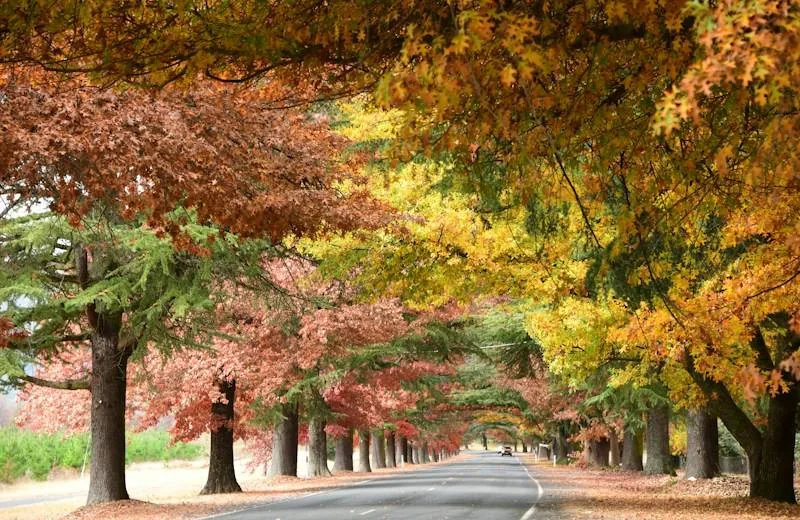
Milder, often settled weather in the southern states and autumn colour in the high country. Easter and school breaks bring busy weeks.

Dry season in the tropical north and the Red Centre, snow season in the Alps, and crisp city breaks further south.

Wildflowers, comfortable walking weather and the build-up to summer, with sporting finals and festivals in several cities.
Each state and territory sets its own school terms, so holiday dates don't always line up. A week that's quiet where you live can be peak time at your destination if local schools are on break—and popular coastal spots often draw families from several states at once.
The summer holidays, from mid-December to late January or early February, are the busiest stretch almost everywhere. Easter, the mid-year break and the spring holidays around late September and early October are also popular.
Public holidays create long weekends. Some, such as Australia Day, Anzac Day and Christmas Day, are national; others, including the King's Birthday and Labour Day, fall on different dates depending on the state. Check the relevant state government or education department website for current dates.
Guide 03 · Planning
Most domestic trips come together more easily when you plan in the same order every time: decide the shape of the trip, lock in the fixed pieces, then fill in the days.
Decide how many nights you have, who's travelling and what kind of trip it is—beach, city, road trip or a mix. Write down two or three things that would make the trip feel worthwhile.
Fewer moves mean more time doing things. As a rough guide, allow at least two nights wherever you stay, and three or more if you plan day trips from there.
Flights, long-distance trains, ferries, event tickets and accommodation for peak dates are the hardest to replace. Book these first and keep the confirmations together.
Work out airport transfers, how long drives really take with breaks, and whether you'll arrive before reception closes. Australian distances are easy to underestimate.
Give each day one main activity and leave the rest open. Keep a wet-weather or extreme-heat alternative in mind, especially in summer and in the tropics.
A week out, check the forecast, park alerts, roadworks and timetable changes. Download offline maps and save key phone numbers in case coverage drops.
Guide 04 · Booking
Run through this list on the property page and the final booking screen, before you enter payment details. It takes a few minutes and covers the issues that most often cause problems at check-in.

Guide 05 · Packing
A winter weekend in Hobart and a week in Cairns need very different bags. Start with a core list, then add for the conditions. Check your airline's baggage allowance before you pack—some domestic fares include carry-on only.
Guide 06 · Getting around
How you'll get around shapes where you should stay. A central hotel suits a car-free city break; a road trip needs easy parking and realistic driving days.
Each capital city has its own public transport network, and most use a tap-on, tap-off card—for example Opal in Sydney, myki in Melbourne, go card in South East Queensland, SmartRider in Perth and metroCARD in Adelaide. Several networks also accept contactless bank cards and phones on some or all services.
Fare caps, off-peak discounts and free city zones vary from city to city. Check the local transport authority's website or app for current fares, and look out for weekend trackwork that replaces trains with buses.
Distances between towns can be long, and driving after a flight or a full day out is tiring. Plan a break about every two hours, take extra care at dawn and dusk in rural areas when wildlife is active, and fill up before long stretches without services.
Sydney, Melbourne and Brisbane have electronic toll roads with no cash booths. If you hire a car, ask how tolls are charged and whether an administration fee applies. Many hire agreements also restrict driving on unsealed roads, so check before planning an outback route.
Flying is often the practical choice between capital cities and to places such as Cairns, Uluru or Broome. Compare what each fare includes—checked bags, seat selection and changes—rather than the base fare alone.
Plan transfers at both ends: some airports have train links, others rely on buses, shuttles, taxis and rideshare. Remember time zones, too—Western Australia is two or three hours behind the east coast, depending on daylight saving.
Long-distance trains and coaches link many regional centres and suit travellers who'd rather not drive. Scenic rail journeys and the Spirit of Tasmania car ferry across Bass Strait can book up in busy periods, so check timetables early.
For island stays—Rottnest, Magnetic Island, Kangaroo Island or K'gari—check ferry or barge timetables before you book a room, as the last service of the day can leave early.
Guide 07 · Budget
Two stays with similar nightly rates can end up far apart once parking, fees and transport are added. Compare complete trip costs, not headline numbers.
Start with the booking total. Use the full amount on the final booking screen for your dates and guests. Prices shown to Australian consumers should include GST and any mandatory fees; if a compulsory charge appears separately, ask about it before you pay.
Add what's paid on arrival. Nightly parking, security bonds, cleaning fees, card surcharges and any resort or facility fees that apply.
Add getting around. Airport transfers, daily public transport, tolls, fuel or rideshares from a cheaper but less central location.
Add the daily basics. Breakfast if it isn't included—and whether a kitchen lets you self-cater some meals.
Comparing two options? Line up the totals for the same dates and number of guests, then add each one's extras. The cheaper rate isn't always the cheaper trip.
Guide 08 · City trips
Three days is enough to get a feel for most Australian capitals without rushing. This structure works whether you're flying in for a long weekend or driving from a nearby city.
Set up your transport card or contactless payment at the airport or station, then drop your bags—many hotels will store luggage before check-in.
Spend the afternoon walking the neighbourhood around your base, and choose a dinner spot close by so the first evening is easy.
Build the day around the main reason you came: a gallery, a game, a market, a harbour or river trip. Book timed-entry attractions ahead.
Group sights by area to cut travel time, and use ferries or trams as sightseeing in their own right.
Keep the last day light. Check out, store your bags and pick something close to your route to the airport or station.
Allow more time than you think for the trip back—traffic, trackwork and airport queues all vary.
Guide 09 · Family
"Sleeps four" tells you the maximum, not how comfortable it will be. Count the actual beds—and who will sleep in each—before you book. A queen bed and a sofa bed suits young children far better than teenagers.
Properties set a maximum occupancy for each room type, and children and infants may count towards it. Cots and rollaway beds are usually limited, so request them when you book and confirm before you travel. Enter children's ages accurately when you search, as it can change which rooms appear.
For longer stays, an apartment with separate bedrooms, a kitchen and a washing machine often works better than two hotel rooms. If you do book two rooms, ask for interconnecting rooms—with a door between them—rather than adjoining rooms, which are simply next door. This is usually a request, not a guarantee.

Guide 10 · Timing
There's no single right answer. The more popular your dates and the smaller your destination, the earlier it pays to look. Use this as a guide, then search your actual dates to see what's available.
Summer holidays and Christmas–New Year at beach towns, islands and family destinations.
Easter, long weekends and mid-year holidays—especially in the tropical north during the dry season and in alpine areas during the snow season.
Major events such as grand finals, racing carnivals, motor sport, big concerts and festivals.
Small towns and national-park gateways, where a handful of properties can book out quickly.
Group and family trips that need several rooms or apartments with multiple bedrooms.
Waiting carries risk: late availability isn't guaranteed and choice usually narrows as dates approach. Search early to set a baseline, note the total, then decide whether holding out suits your plans. Our seasonal strategies page covers timing in more detail.
Keep planning
 Destination guide
Gateway towns, walking-track safety and seasonal access for park trips.
 Travel idea
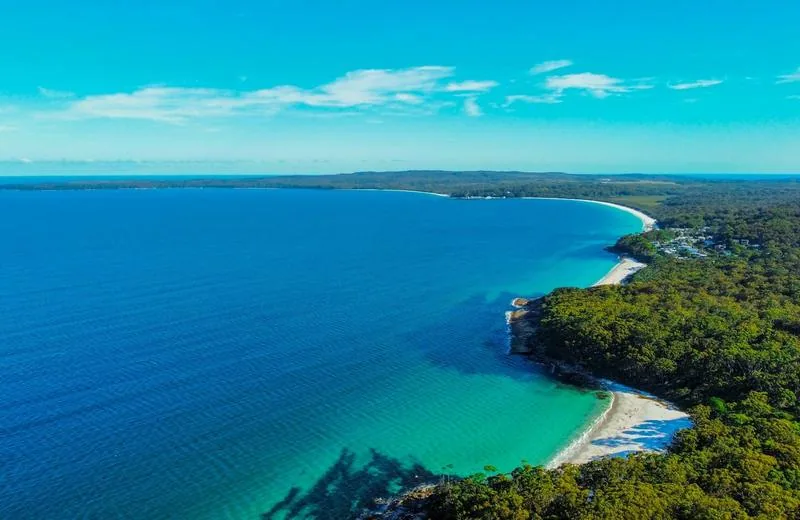
Choosing a beach base, swimming at patrolled beaches and timing by coastline.
 Travel idea
Low-planning escapes organised by the capital city you're leaving from.

Once you've chosen an area and your dates, compare availability, total prices and cancellation terms on Booking.com. The Trip Route does not process reservations or display live rates.
We may earn a commission when you book through this link, at no additional cost to you.