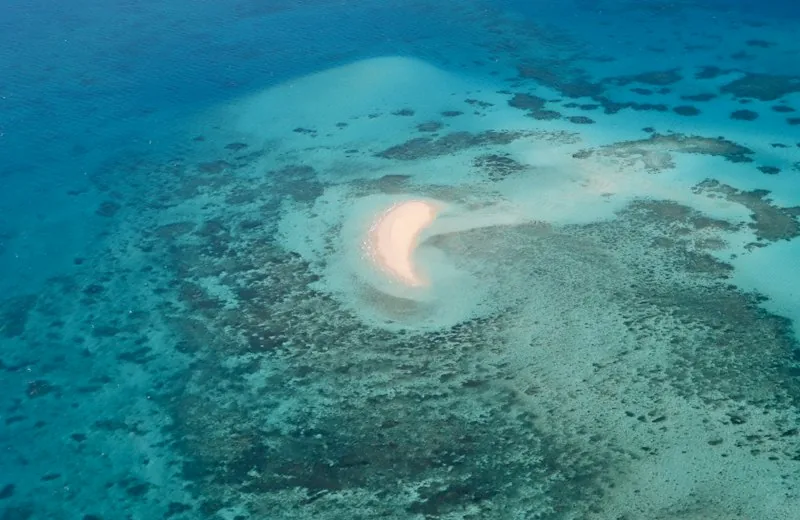
Cairns is the main gateway to the northern Great Barrier Reef and the rainforest of the Wet Tropics. Where you stay—the city, the northern beaches or Port Douglas—shapes your trip as much as the reef day you book. Compare bases, tropical seasons, water safety and how to visit the reef responsibly.
Best for
Reef snorkelling and diving, rainforest day trips and a warm winter escape
Trip length
4–5 days for the reef and rainforest; 7–10 days to add Port Douglas, the Tablelands or Mission Beach
Best months
May–October (dry season) for lower humidity; the wet season runs roughly December–April
Getting around
Walkable city centre, local buses and tour pickups; a hire car for the Daintree and Tablelands
Main airport
Cairns Airport (CNS), a short drive north of the city centre
Water safety
Stinger season runs roughly November–May; crocodiles live in local rivers and estuaries
Why visit
Where the Reef Meets the Rainforest.
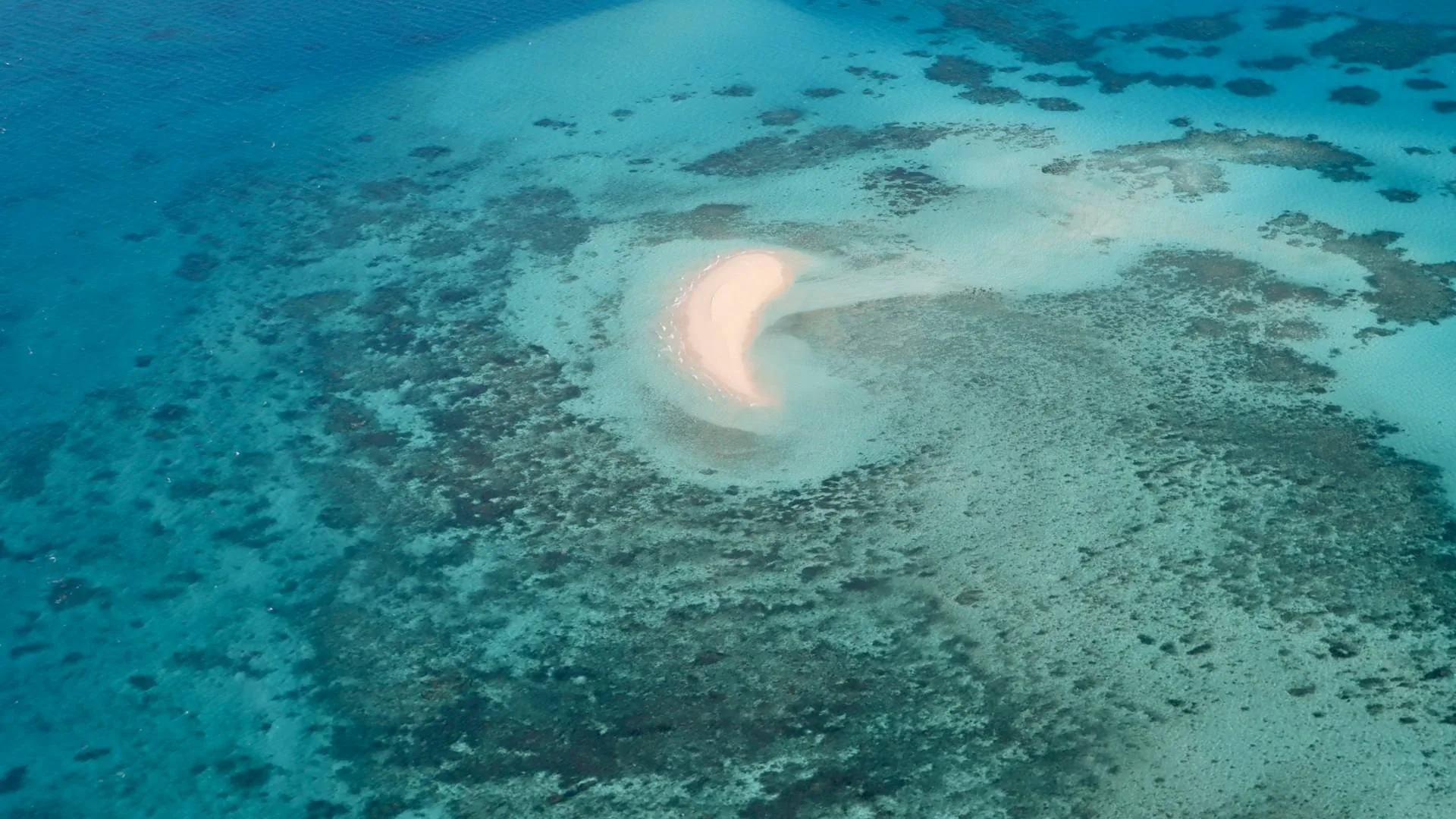
Cairns sits between two World Heritage areas: the Great Barrier Reef offshore and the Wet Tropics of Queensland on the ranges behind the city. Reef boats leave from the city waterfront, and the Daintree, Kuranda and the Atherton Tablelands are all within day-trip range, so one base can cover coral, rainforest and waterfalls in a single trip.
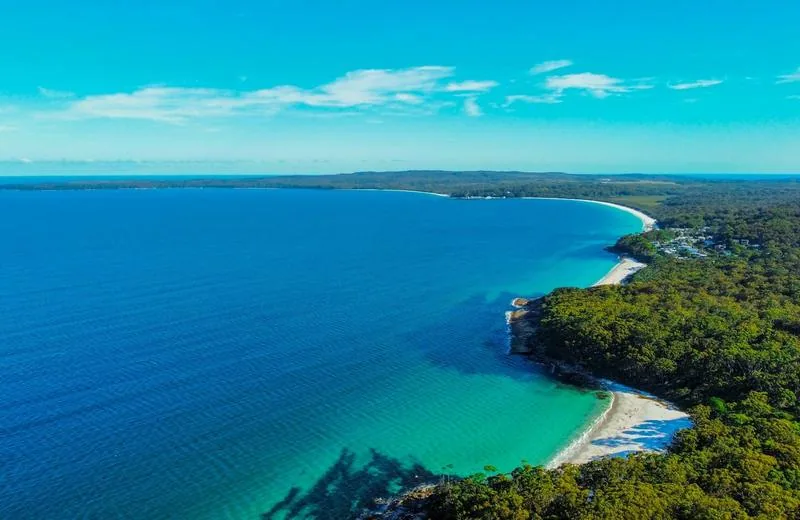
The city itself is relaxed and compact. The waterfront faces tidal mudflats rather than a swimming beach, so the free saltwater lagoon on the Esplanade is where visitors and locals cool off, and the boardwalk is busy with walkers and shorebirds from early morning. North of the city, a string of beach suburbs and the resort town of Port Douglas offer a slower pace.
The tropics do ask for some planning. The dry season brings the most comfortable conditions and the highest demand; the wet season is hot, humid and green, with heavy rain that can close roads and affect reef trips. Marine stingers and crocodiles mean you need to choose where you swim with care. Tour schedules, reef conditions and road access change, so confirm details with operators and official sources before you travel.
Great Barrier ReefReef trips leave from the Cairns waterfront
Where to stay
Best Areas to Stay Around Cairns.
Cairns works as a hub, but the region stretches about an hour's drive north to Port Douglas and around two hours south to Mission Beach. These five bases cover the most common trip styles.
Cairns City and the Esplanade
Best for first visits and reef day trips
Atmosphere
A compact, walkable centre facing Trinity Bay, with a waterfront boardwalk, the swimming lagoon, restaurants and evening markets.
Transport
Walk to the marina and the Reef Fleet Terminal for reef and island boats; many tours also collect from city hotels. The airport is a short taxi or shuttle ride away.
Nearby
The Esplanade Lagoon and boardwalk, the Cairns Aquarium, and the Cairns Botanic Gardens a short drive away at Edge Hill.
Stay style
The widest choice in the region, from hostels to waterfront hotels and serviced apartments—the practical pick if you don't plan to hire a car.
Search all Cairns hotels for your dates, then use the map view on Booking.com to compare the city, the northern beaches and Port Douglas. Our hotel booking checklist covers cancellation terms, parking and room types.
Search links open Booking.com. We may earn a commission if you book, at no additional cost to you.
Top things to do
Reef, Rainforest and Tablelands.
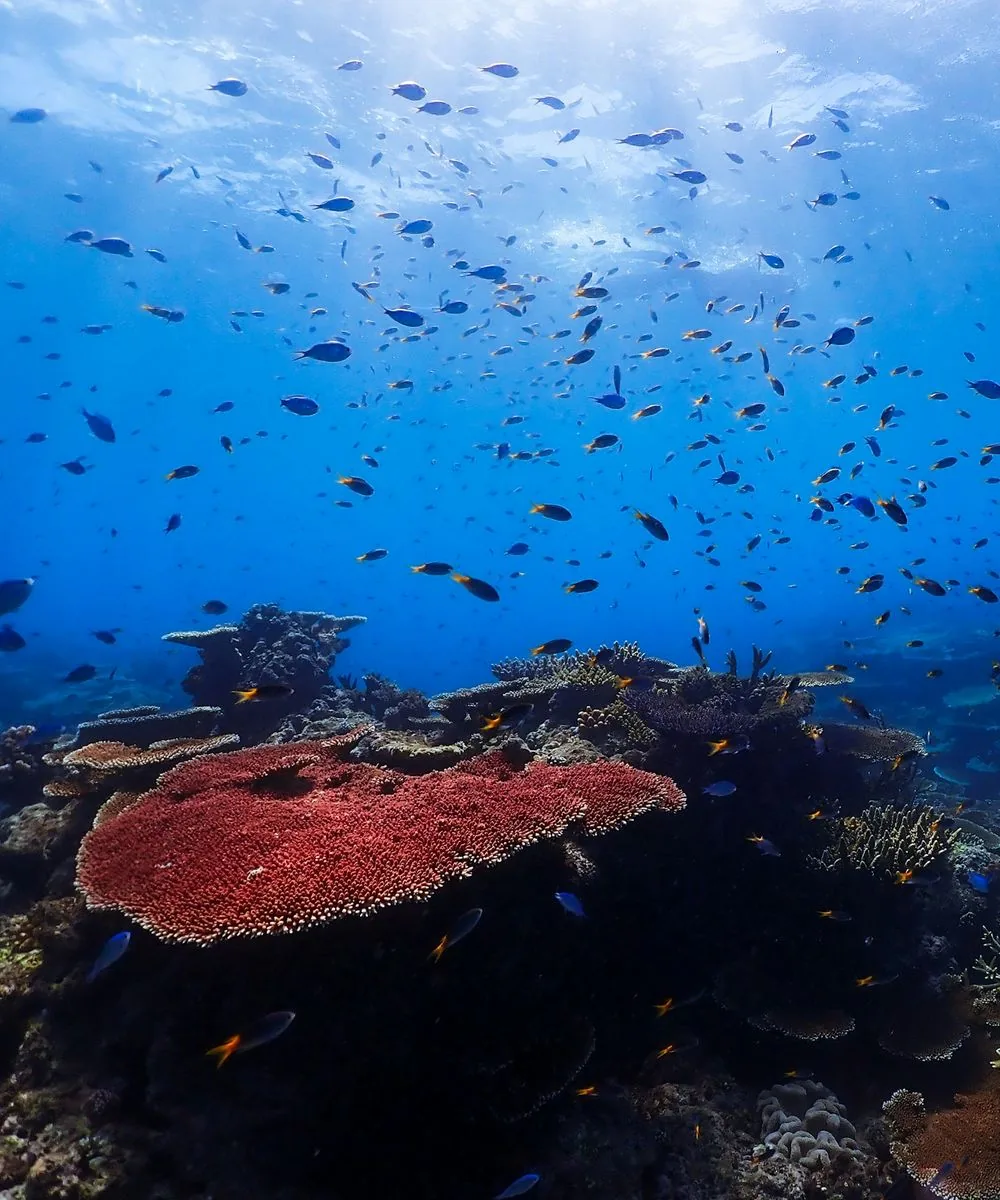
Snorkel or Dive the Outer Reef
Full-day trips from Cairns or Port Douglas visit outer reef sites, pontoons or sand cays. Compare travel time, inclusions and stinger-suit hire before you book.
Spend a Day on Green or Fitzroy Island
Both are a short ferry trip from the Reef Fleet Terminal, with snorkelling from the beach and walking tracks through the island bush.
Swim at the Esplanade Lagoon
A free, patrolled saltwater lagoon on the city waterfront—an easy way to swim in the city. Check opening hours before you go.
Ride Up to Kuranda
A heritage railway and a rainforest cableway both climb the range to the village of Kuranda; many visitors go up one way and return the other.
Explore the Daintree
Cross the Daintree River on the vehicle ferry to reach rainforest boardwalks and the beaches around Cape Tribulation.
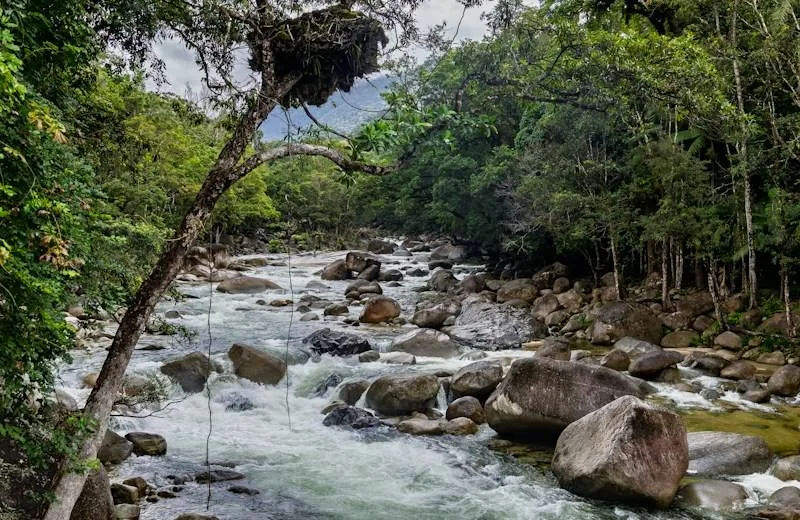
Walk at Mossman Gorge
Shuttle buses from the Mossman Gorge Centre take you into this part of Daintree National Park. Take care near the river—currents can be strong after rain.
Tour the Atherton Tablelands
Cooler air, crater lakes, waterfalls and farmland an hour or more inland. A car gives you the most flexibility.
The Great Barrier Reef is a marine park, a World Heritage area and Sea Country for many Traditional Owner groups. A few simple habits help protect it—and make your day on the water safer.
How the Marine Park Works
The Great Barrier Reef Marine Park is managed by the Great Barrier Reef Marine Park Authority (GBRMPA) together with the Queensland Government. Zoning plans set out which activities are allowed in each part of the park, and commercial tourism operators need permits to take visitors out.
Environmental Management Charge: reef operators collect this charge from most visitors on behalf of GBRMPA, and it helps fund the management of the marine park. It's usually included in, or added to, your trip price—check the booking details so you know what your fare covers.
Before you go: GBRMPA publishes responsible reef practices, zoning maps and reef health updates. Read them if you plan to snorkel, fish or take a boat out independently.
On the Water
Don't touch, stand on or kick coral. If you're not a confident swimmer, ask the crew for a flotation aid so you can rest without standing up.
Listen to your operator's briefing and follow the crew's directions, including where to enter and leave the water.
Travel with permitted operators. If you're boating yourself, use public moorings where available and check the zoning map before you anchor or fish.
Keep your distance from turtles, rays, sharks, dolphins and whales—never chase, touch or feed marine life.
Take all rubbish home, including food scraps, and secure hats and bags so nothing blows overboard.
Tropical North Queensland's water and weather need more planning than southern beaches. Follow local signs and lifeguard advice at all times.
Marine Stingers
Box jellyfish and Irukandji can be present in coastal and reef waters, mainly from roughly November to May, although stings can occur outside those months.
Swim at patrolled beaches, between the red and yellow flags and inside the stinger nets where they're installed. On reef and island trips, wear the full-length stinger suit your operator provides or hires out. If someone is stung, call Triple Zero (000) and follow lifeguard first aid.
Crocodile Safety
Estuarine crocodiles live in rivers, creeks, estuaries and mangroves throughout the region, and can also turn up on beaches, around islands and in freshwater lakes.
Obey warning signs, don't swim in rivers or estuaries, stay well back from the water's edge, and never clean fish or leave food scraps near the water. The Queensland Government's Be Crocwise advice covers camping, fishing and boating.
Wet Season and Sun
From roughly December to April, heavy rain can flood roads and close attractions with little notice, and tropical cyclones are possible. Never drive through floodwater; check QLDTraffic for roads and the Bureau of Meteorology for warnings.
The UV index is high all year. Wear a hat, sunscreen and a rash vest or stinger suit, and drink plenty of water in the humidity.
Suggested itineraries
Cairns in Three, Five or Seven Days.
Book your reef day early in the trip so you have a spare day if wind or rain cancels it. If you dive, ask your operator how long to wait before flying.
3 days
Reef and City
Day 1: Settle in on the Esplanade—swim at the lagoon, walk the boardwalk and eat on the waterfront.
Day 2: A full-day outer reef trip with snorkelling or an introductory dive.
Day 3: Kuranda by railway or cableway, or a slower day on Green or Fitzroy Island.
5 days
City and Port Douglas
Days 1–2: The Esplanade and an outer reef trip from Cairns.
Day 3: Drive the coast road north via Palm Cove and Rex Lookout, then settle in at Port Douglas.
Day 4: Mossman Gorge, the Daintree River ferry and Cape Tribulation.
Day 5: A morning on Four Mile Beach, then back to Cairns Airport.
7 days
Reef, Rainforest and Tablelands
Days 1–5: The five-day plan at a slightly slower pace.
Day 6: A loop through the Atherton Tablelands—waterfalls, crater lakes and lookouts—with a night inland or back on the coast.
Day 7: A buffer for weather, a second reef or island day, or a drive south towards Mission Beach.
Timing and tips
When to Go and What to Know.
When to Visit
Dry season (roughly May–October) brings warm days, lower humidity and the most dependable conditions for reef trips and rainforest drives. It's also the busiest time, especially during southern school holidays, so book popular stays and tours early.
Wet season (roughly December–April) is hot and humid, with heavy downpours, possible cyclones and occasional road closures. Waterfalls and rainforest are at their fullest, and stays can be easier to find outside Christmas and Easter, but wind and rain can reduce reef visibility or cancel trips.
Stinger season overlaps the warmer months, roughly November to May. Reef trips run through it—you'll simply wear a stinger suit in the water. Check the Bureau of Meteorology for forecasts and cyclone warnings close to your dates.
Local Tips
Compare what each reef trip includes—lunch, stinger suits, transfers and the Environmental Management Charge—rather than the headline price alone.
Tell your operator about any medical conditions before snorkelling or diving, and pack seasickness tablets for outer reef days.
Hire-car agreements often restrict unsealed roads; read the terms before driving beyond Cape Tribulation.
Pack light, quick-drying clothes, insect repellent and a rain jacket, especially in the wet season.
Some businesses add card or public-holiday surcharges—look for the notice on the menu or at the counter.
Tipping isn't expected, though rounding up for good service is appreciated.
Getting there and around
Arriving and Getting Around.
Arriving
Cairns Airport (CNS): a short drive north of the city centre, with domestic and international terminals a short walk apart. Direct domestic flights connect Cairns with several capital cities. Taxis, rideshare and shuttle buses run to the city, the northern beaches and Port Douglas.
By road or rail: the drive from Brisbane is roughly 1,700 km along the Bruce Highway, so allow several days. Queensland Rail's long-distance Spirit of Queensland train also runs between Brisbane and Cairns; check Queensland Rail for current timetables.
Getting Around
Central Cairns is easy to explore on foot, and local buses on Queensland's Translink network connect the city with the northern beaches. Many reef and rainforest tours include pickups from Cairns and the northern beaches, and island ferries leave from the Reef Fleet Terminal.
A hire car makes sense for Port Douglas, the Daintree, the Tablelands and Mission Beach. North of Mossman you cross the Daintree River on a vehicle ferry, and some roads beyond Cape Tribulation are 4WD-only and often closed in the wet season—check road conditions and your rental agreement first.
Suggested searches
Compare Hotels by Area.
Use these area-focused hotel searches to compare availability for your dates. Rates change often—check the total price, including any fees, on Booking.com before you reserve.
Cairns Esplanade
Waterfront City Base
Walk to the lagoon, restaurants and the reef boat terminal.
When is the best time to visit Cairns and the Great Barrier Reef?
The dry season, roughly May to October, usually brings the most comfortable weather and the most reliable reef conditions, but it's also the busiest time of year. The wet season, roughly December to April, is hot and humid, with heavy rain and the possibility of cyclones, so keep your plans flexible if you travel then.
Is it safe to swim at beaches near Cairns?
Swim only at patrolled beaches, between the red and yellow flags. During marine stinger season, roughly November to May, swim inside the stinger nets where they're installed. Obey crocodile warning signs and don't swim in rivers, creeks or estuaries. In the city, the Esplanade Lagoon is a free, patrolled alternative to the sea.
Should I stay in Cairns or Port Douglas?
Cairns suits shorter trips and travellers without a car, with the widest choice of stays, reef departures and tour pickups. Port Douglas, about an hour's drive north, is quieter and closer to Mossman Gorge and the Daintree. Many travellers split their stay between the two.
Do I need a car in Cairns?
Not for a city-based trip. The centre is walkable, local buses reach the northern beaches, and many reef and rainforest tours include pickups. Hire a car if you want to explore the Daintree, the Atherton Tablelands or Mission Beach at your own pace.
What is the Environmental Management Charge on reef trips?
It's a charge that commercial reef operators collect from most visitors on behalf of the Great Barrier Reef Marine Park Authority, and it helps fund the management of the marine park. It's usually included in or added to your trip price. Check the authority's website for current details.
Ready to Search Cairns Stays?
Compare the city, the northern beaches and Port Douglas, and check current availability for your dates on Booking.com. The Trip Route does not process reservations or display live rates.