Australia's national parks range from desert monoliths and tropical wetlands to alpine lakes and sandstone escarpments. Most are reached from a small gateway town, and choosing the right base—and the right season—shapes the whole trip. Compare gateway towns, park passes, respectful visiting and safety for six well-known parks.
Best for
Bushwalking, wildlife, big landscapes and learning about Aboriginal culture on Country
Trip length
A long weekend for the Blue Mountains; 3–4 days at Uluṟu; 4–7 days for Kakadu or Tasmania
Best months
May–September for the Red Centre and Top End; spring to autumn for the southern parks
Getting around
A car for most parks; trains reach the Blue Mountains, and tours run from Yulara and Darwin
Gateway airports
Ayers Rock (Yulara), Alice Springs, Darwin, Launceston and Hobart, depending on the park
Park passes
Required in some parks, including Uluṟu-Kata Tjuṯa, Kakadu and Tasmania's parks
Why visit
Landscapes With Deep Stories.
Australia's national parks protect some of the oldest landscapes on Earth, and several are World Heritage listed. Uluṟu-Kata Tjuṯa and Kakadu are recognised for the living culture of their Aboriginal traditional owners as well as their natural values, so a visit is as much about learning as it is about walking and photography.
Each park has its own rhythm. In the Red Centre, walks start at dawn and finish before the heat builds; in the Top End, the wet and dry seasons decide which roads and waterholes are open; in Tasmania and the Blue Mountains, the weather can turn from sunshine to sleet in an afternoon. Staying in a gateway town close to the trailheads saves hours of driving and puts you on the track at the best time of day.
Many parks are remote, with limited rooms, fuel and phone coverage, so book early for peak seasons and plan your drives carefully. Park passes, track closures and fire restrictions change through the year—check the relevant parks agency before you travel.
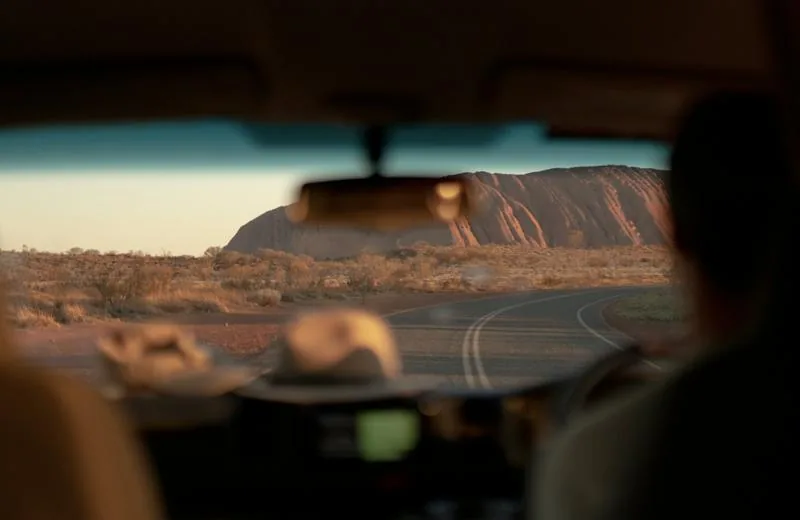
Uluṟu-Kata Tjuṯa National ParkJointly managed with Anangu traditional owners
Where to stay
Gateway Towns, Hotels and Lodges.
At most parks you'll stay in a nearby town or a resort precinct just outside the boundary. These five gateways put you closest to the main walks and lookouts, and Halls Gap in the Grampians is a strong sixth option.
Katoomba and Leura
Blue Mountains, NSW · best for car-free weekends
The park
Blue Mountains National Park, part of the Greater Blue Mountains World Heritage Area, on Darug and Gundungurra Country.
Access
Trains from Sydney's Central station reach Katoomba in around two hours; Echo Point is a walk or short bus ride from the station.
Nearby
The Three Sisters, the Prince Henry Cliff Walk, the Giant Stairway into the Jamison Valley and Leura's village shops and gardens.
Stay style
Guesthouses, heritage hotels, cottages and motels; weekends and school holidays fill early, and nights are cool all year.
Halls Gap sits in a valley inside Grampians National Park (Gariwerd) in western Victoria, about three hours' drive from Melbourne—handy for lookouts, waterfalls and kangaroos on the town oval. Our hotel booking checklist covers cancellation terms, parking and room types for any gateway.
Search links open Booking.com. We may earn a commission if you book, at no additional cost to you.
Top things to do
Walks and Experiences Worth Planning For.
Walk the Blue Mountains Cliff Tops
From Echo Point, the Prince Henry Cliff Walk links lookouts towards Leura; steep stairs lead down into the Jamison Valley.
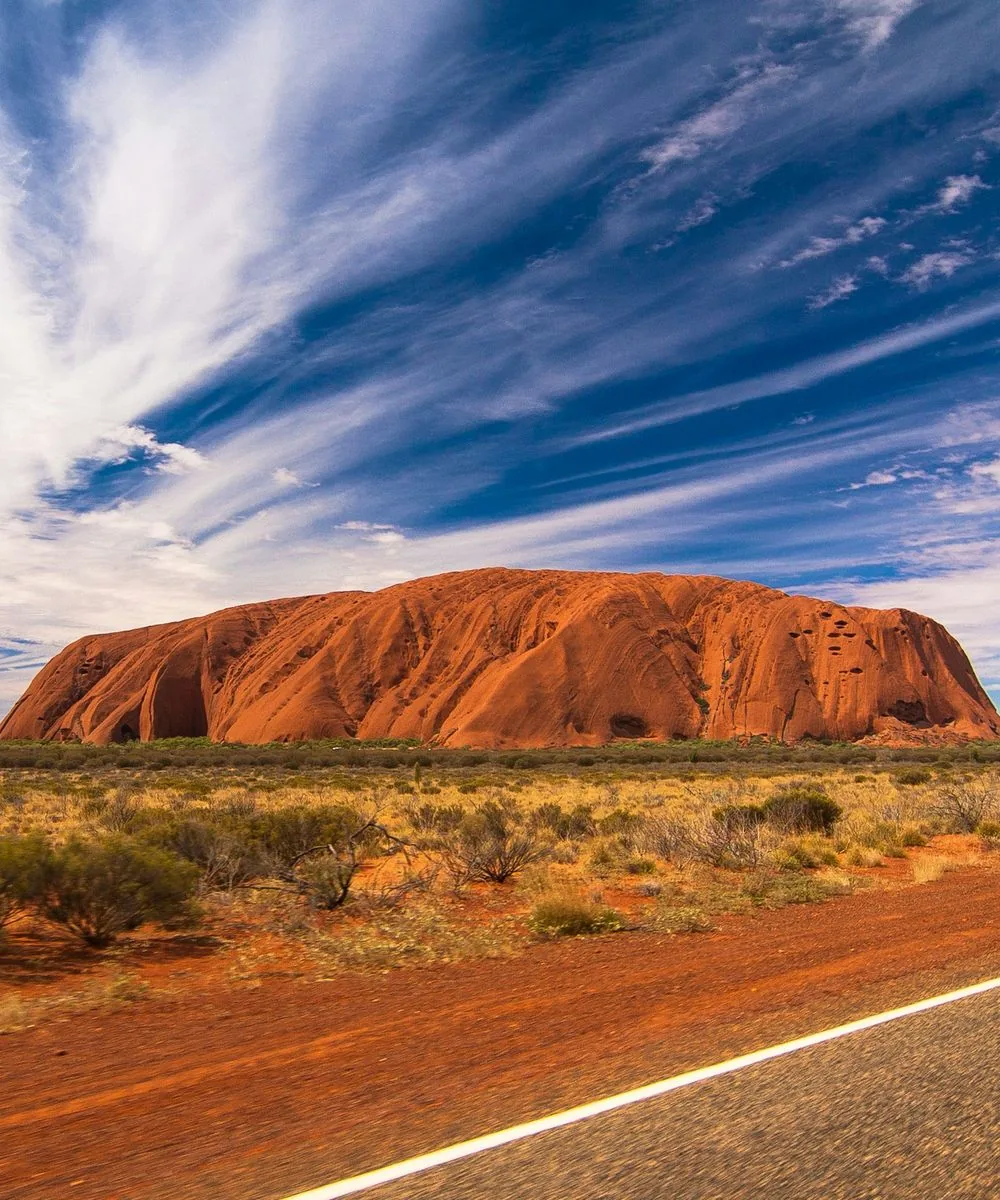
Walk Around Uluṟu
The base walk is around 10 km and mostly flat. Start early, carry water and look for signs marking sacred sites.
Explore Kata Tjuṯa
Walpa Gorge and the Valley of the Winds wind between the domes. Parts of the longer walk can close in extreme heat.
See Rock Art in Kakadu
Ubirr and Burrungkuy (Nourlangie) have rock art galleries reached by walking tracks, with ranger talks in the dry season.
Cruise the Yellow Water Wetlands
Boat cruises near Cooinda show birdlife and crocodiles safely. Never swim in Kakadu's rivers, creeks or billabongs.
Circle Dove Lake
The roughly 6 km circuit at Cradle Mountain takes two to three hours, with boardwalk sections and views of the peak in clear weather.
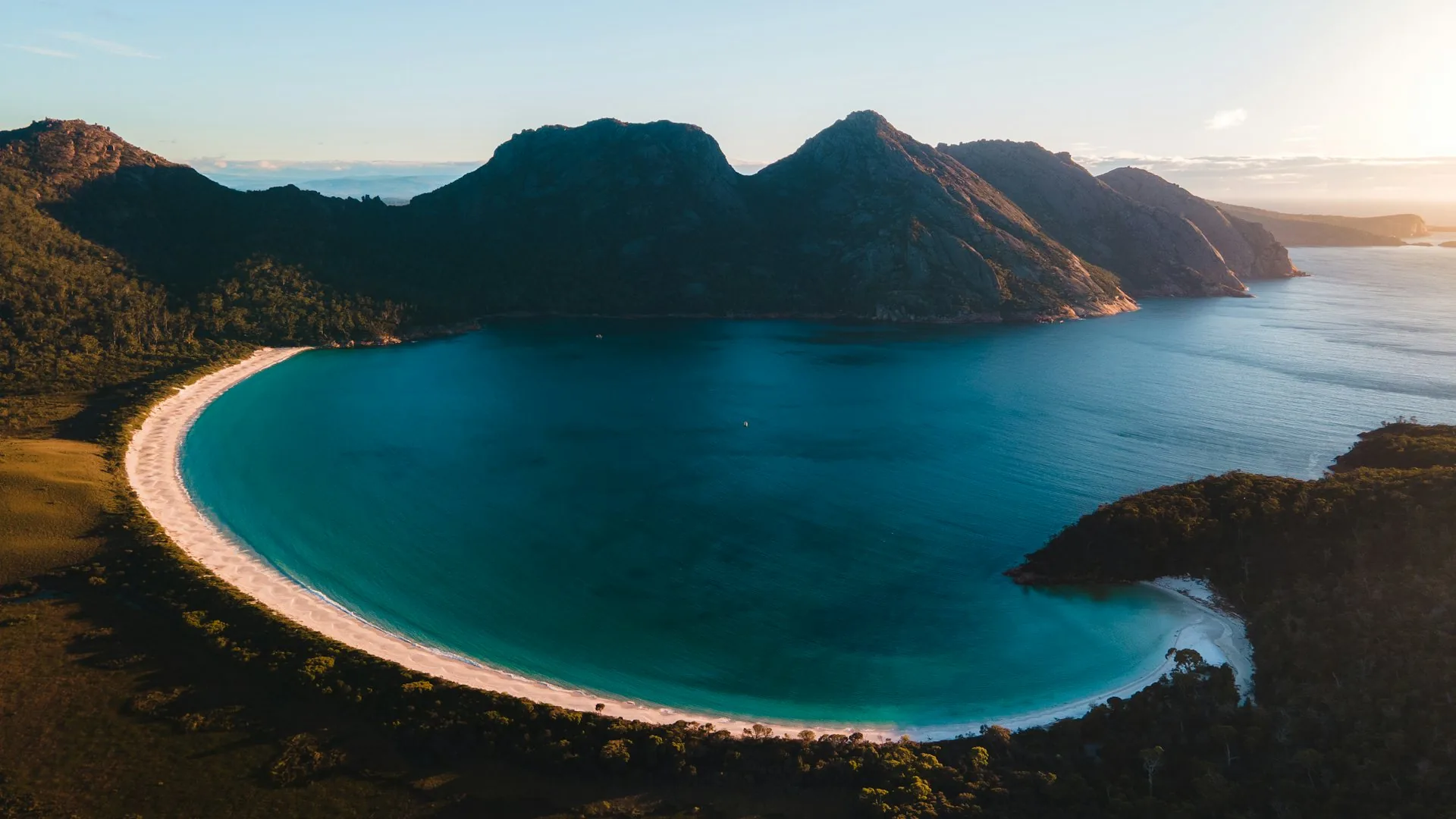
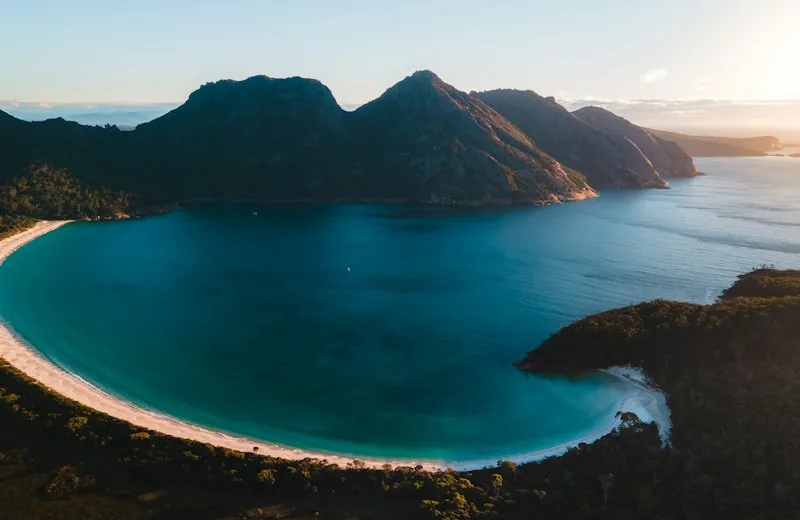
Climb to the Wineglass Bay Lookout
A steady uphill walk from the Freycinet car park; continue down to the beach for a longer, steeper return.
Take In the Grampians (Gariwerd)
Lookouts such as the Pinnacle and Boroka and waterfalls near Halls Gap. Check Parks Victoria for track closures after fires or floods.
Respectful visiting
Respectful Visiting and Country.
National parks are cultural landscapes as well as natural ones. Aboriginal and Torres Strait Islander peoples have cared for Country across Australia for tens of thousands of years, and many parks are jointly managed with Traditional Owners today.
Uluṟu and Joint Management
Uluṟu is sacred to the Anangu, the traditional owners of Uluṟu-Kata Tjuṯa National Park. The climb was permanently closed in October 2019, and visitors now experience the rock by walking around its base, joining ranger-guided walks and visiting the Cultural Centre.
Photography: some parts of Uluṟu and Kata Tjuṯa are sacred sites where photography isn't permitted. These areas are signed—please respect them, and check Parks Australia's guidelines before taking photos or video for commercial use.
Joint management: Uluṟu-Kata Tjuṯa and Kakadu are managed by Parks Australia together with their traditional owners, and many state and territory parks are jointly managed with Traditional Owner groups. Many places also carry Aboriginal names, such as Gariwerd for the Grampians.
On Country
Stay on marked tracks and respect closures—some areas are closed for cultural reasons as well as for safety.
Obey signs at sacred sites, and don't photograph places or people where you've been asked not to.
Leave rocks, sand, plants and artefacts where you find them, and never touch rock art.
Visit the park's cultural or visitor centre early in your trip to learn about the place and how to behave there.
Camp only in designated sites, take all rubbish out with you and never feed wildlife.
Check the rules before flying a drone—drones are restricted in many national parks.
Passes and safety
Park Passes, Permits and Official Sources.
Entry rules differ between parks and states, and they change. We don't list prices—check the official agency for current passes, closures and conditions before you go.
Park Passes and Permits
Commonwealth parks: visitors to Uluṟu-Kata Tjuṯa and Kakadu need a park pass, available online through Parks Australia.
Tasmania: a parks pass is required in all Tasmanian national parks, including Cradle Mountain and Freycinet. Parks and Wildlife Service Tasmania offers several pass types for short and longer trips.
Other states and territories: some NSW parks charge vehicle entry fees, and rules differ in Victoria and in Territory-run parks. Popular campgrounds and multi-day walks, such as the Overland Track in peak season, may need advance bookings.
Seasonal access: in Kakadu, many roads, campgrounds and sites close during the wet season, some at short notice, and 4WD tracks can stay closed into the dry. Check current access information before you drive.
Official Sources
Check these agencies for current passes, closures, fire danger and seasonal road access before you set out:
Summer days can be extremely hot. Walk early, carry more water than you think you'll need, cover up from the sun and turn back if you feel unwell. Some walks close early on very hot days.
Bushfire Danger Ratings
Check the fire danger rating for the district and any total fire ban before you go. Parks may close on days of extreme or catastrophic fire danger—follow your state fire service and rangers.
Stay on Marked Tracks
Keep to formed tracks and lookouts, stay behind cliff-edge barriers and tell someone your plans for longer walks. Phone coverage is patchy; consider a personal locator beacon in remote areas.
Suggested itineraries
Park Trips From a Weekend to a Week.
Each plan is built around one or two gateways, so you spend more time on the tracks than on the road. Leave a spare day for weather in Tasmania and the mountains.
3 days
Blue Mountains Long Weekend
Day 1: Train from Sydney to Katoomba, Echo Point and the Three Sisters, then the cliff-top walk towards Leura.
Day 2: A longer walk down into the valley, with a café stop in Leura village afterwards.
Day 3: Lookouts around Blackheath, such as Govetts Leap, then the train back to Sydney.
4 days
Uluṟu and Kata Tjuṯa
Day 1: Fly into Ayers Rock Airport, settle in at Yulara and watch the sunset over Uluṟu.
Day 2: Sunrise, the base walk and the Cultural Centre, resting through the afternoon heat.
Day 3: An early start at Kata Tjuṯa for Walpa Gorge or the Valley of the Winds.
Day 4: A ranger-guided walk or a final sunrise before your flight.
7 days
Tasmania's Parks
Days 1–3: Fly into Launceston and drive to Cradle Mountain for the Dove Lake circuit and wildlife at dusk.
Days 4–6: A long drive east to Coles Bay for the Wineglass Bay lookout, beaches and Cape Tourville.
Day 7: Continue to Hobart or loop back to Launceston for your flight.
Timing and tips
When to Go and What to Know.
When to Visit
Red Centre (Uluṟu-Kata Tjuṯa): May to September brings mild, sunny days and cold nights that can fall below freezing. Summer is extremely hot, so plan walks for the early morning.
Top End (Kakadu): the dry season, roughly May to October, has the most roads and sites open. The wet season, roughly November to April, brings storms, flooding and widespread closures, although the country is at its greenest. Bininj/Mungguy recognise six seasons through the year.
Southern parks (Blue Mountains, Grampians, Tasmania): spring and autumn are comfortable for walking. Summer brings long days but also bushfire risk and holiday crowds; winter is cold, and Cradle Mountain can see snow. Weather changes quickly at altitude.
Local Tips
Book early for Yulara in the cooler months and for Tasmania over summer—gateway towns have limited rooms.
Fill up with fuel whenever you can in the outback, and carry extra water in the car.
Watch for wildlife on the roads at dawn and dusk, and avoid driving in remote areas after dark where possible.
Many hire-car agreements exclude unsealed roads—check before planning a 4WD track.
Pack insect repellent and a fly net for the Red Centre in warmer months, and warm layers for Tasmania at any time.
Download offline maps before you go; phone coverage is limited in many parks.
Getting there and around
Arriving and Getting Around.
Arriving
Red Centre and Top End: flights land at Ayers Rock Airport, beside Yulara, or at Alice Springs, roughly 450 km away by road. For Kakadu, fly into Darwin and allow around three hours' drive to Jabiru.
Tasmania: fly into Launceston or Hobart, or take the Spirit of Tasmania ferry from Geelong to Devonport with your own car.
Blue Mountains and the Grampians: trains run from Sydney to Katoomba. Halls Gap is about three hours' drive from Melbourne, with limited train-and-coach connections; check V/Line for timetables.
Getting Around
A car is the most practical way to reach most parks and their trailheads. Sealed roads lead to the main sights at Uluṟu-Kata Tjuṯa, Cradle Mountain and Freycinet, and to Kakadu's main areas in the dry season, but some waterfalls and gorges need a high-clearance 4WD.
Some parks do the driving for you: at Cradle Mountain, shuttle buses run from the visitor centre to Dove Lake, and at Uluṟu, tours and shuttles operate from Yulara. Distances are long, so plan fuel stops and rest breaks, and aim to arrive before dark.
Hotel searches
Compare Gateway Stays.
Use these gateway-town hotel searches to compare availability for your dates. Rates change often—check the total price, including any fees, on Booking.com before you reserve.
Katoomba, NSW
Blue Mountains Base
Guesthouses and hotels near Echo Point and the train station.
No. The climb was permanently closed in October 2019, in line with the wishes of Anangu, the traditional owners, for whom Uluṟu is sacred. You can walk around the base of Uluṟu, join a ranger-guided walk and visit the Cultural Centre instead.
Do I need a pass to visit national parks in Australia?
Some parks require one. Uluṟu-Kata Tjuṯa and Kakadu need a park pass from Parks Australia, and Tasmania's national parks require a Tasmanian parks pass. Some NSW parks charge vehicle entry fees, and other rules vary between states and territories, so check the official parks agency for the park you're visiting.
When is the best time to visit Kakadu?
The dry season, roughly May to October, is when most roads, campgrounds and sites are open. In the wet season, roughly November to April, flooding closes many roads and attractions, sometimes at short notice. Check Parks Australia's access information before you travel.
Which national park can I visit without a car?
The Blue Mountains is the easiest. Trains from Sydney's Central station reach Katoomba in around two hours, and local buses and walking tracks connect the main lookouts. At Uluṟu, tours and shuttles operate from Yulara, so a car isn't essential there either.
How many days do I need at Uluṟu-Kata Tjuṯa?
Two to three nights at Yulara is enough for the base walk, the Cultural Centre, a walk at Kata Tjuṯa and at least one sunrise and sunset. Add a night if you'd like a slower pace or time to rest through the heat of the day.
Ready to Search Gateway Hotels?
Start with Coles Bay for Freycinet, or use the search box at the top of this page for Katoomba, Yulara, Jabiru, Cradle Mountain or Halls Gap. Availability and reservations are handled by Booking.com; The Trip Route does not process reservations or display live rates.