Melbourne is a city best explored on foot and by tram. Laneway cafés, galleries and a packed sporting calendar fill the centre, while each inner suburb has its own personality, from Fitzroy's bars to St Kilda's foreshore. Compare the best areas for hotels, how to get around and how to shape a first—or return—visit.
Best for
Food and coffee, laneways, galleries, live sport and day trips to the coast and wine regions
Trip length
3–4 days for the city; 5–7 days to add the Great Ocean Road or Phillip Island
Best months
March–May and September–November for mild days; December–February for the bay and summer events
Getting around
Trams, trains and buses on myki, with free tram travel inside the CBD's Free Tram Zone
Main airport
Melbourne Airport (MEL) at Tullamarine, roughly 20–25 km north-west of the CBD
Neighbourhoods
A grid-plan CBD full of laneways, creative inner-north suburbs and a bayside strip to the south
Why visit
A City of Laneways, Trams and Gardens.
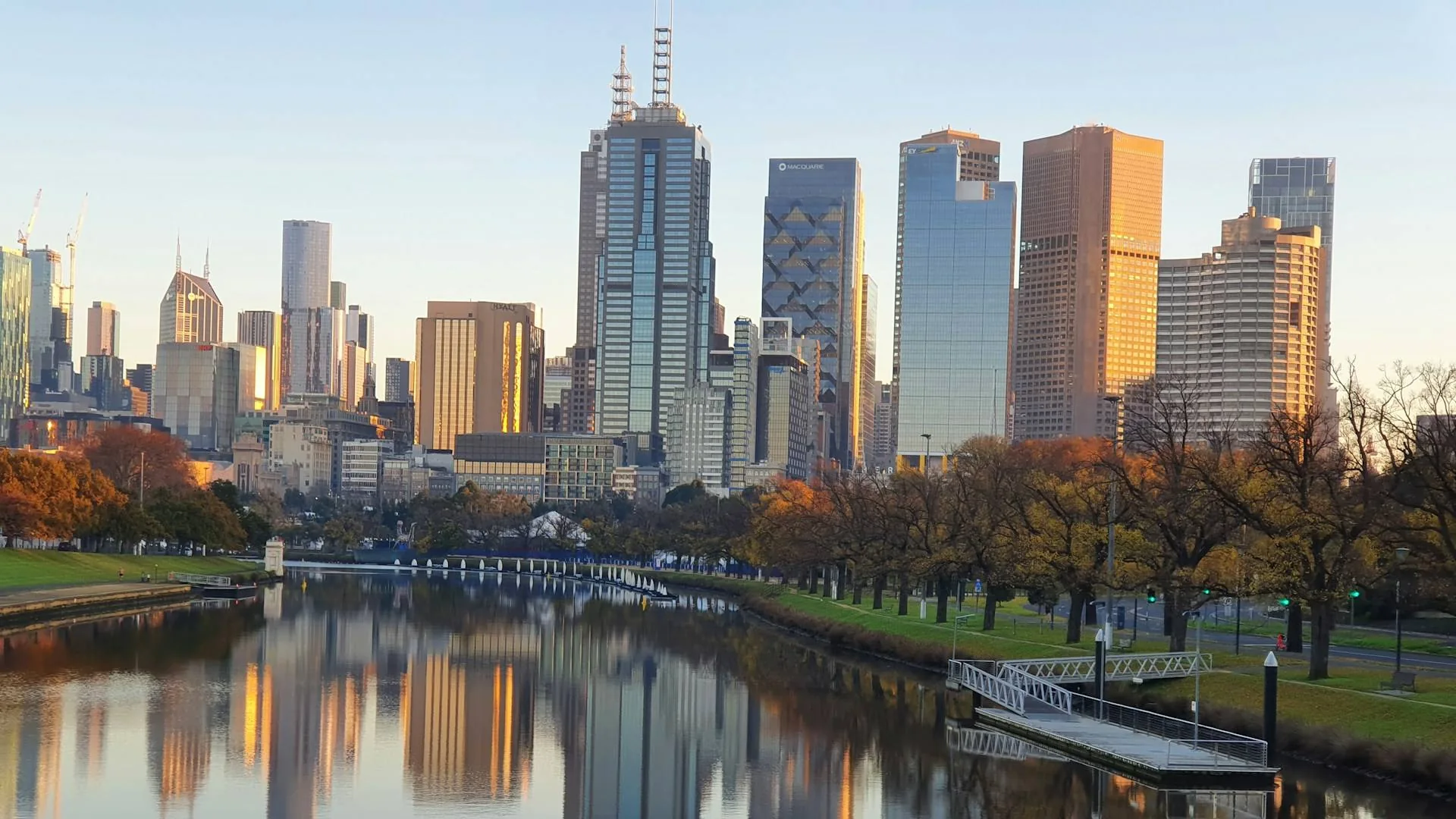
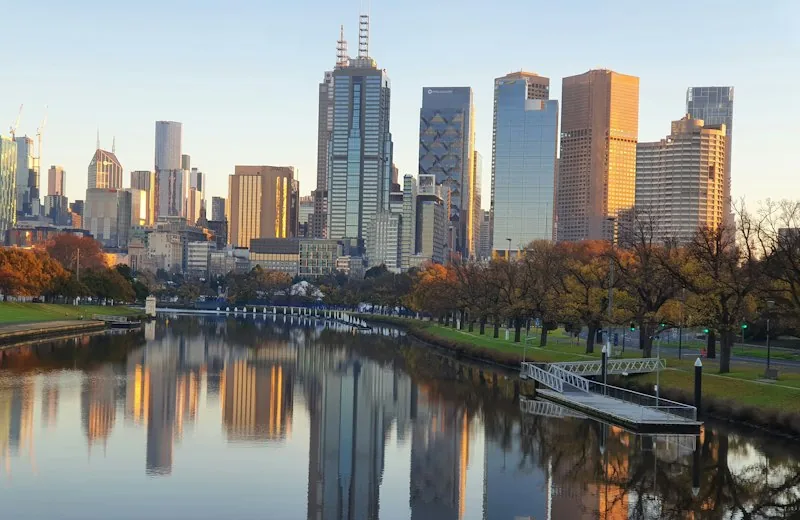
Melbourne's centre is laid out on a tidy grid, but much of its character lives in the gaps between the main streets: narrow laneways lined with cafés, Victorian-era shopping arcades and walls covered in street art. Trams run along most of the major roads, and rides that stay within the CBD's Free Tram Zone are free, so the city centre is easy to explore without much planning. On the CBD's northern edge, the Royal Exhibition Building and Carlton Gardens are a UNESCO World Heritage site.
Beyond the centre, Melbourne is a patchwork of distinct inner suburbs. Fitzroy and Collingwood are known for bars, live music and independent shops, Carlton for the Italian restaurants of Lygon Street, South Yarra and Prahran for shopping and dining around Chapel Street, and St Kilda for its palm-lined foreshore on Port Phillip Bay. Sport is part of everyday life, too—the MCG hosts AFL football through winter and cricket in summer.
Plan around the calendar. Major events such as the Australian Open, the Formula 1 Australian Grand Prix, the AFL Grand Final and the Melbourne Cup fill hotels quickly and push up rates, so book early or choose other dates if you're flexible. The weather is famously changeable, so pack layers in any season, and confirm event dates, venue hours and timetables on official websites before you travel.
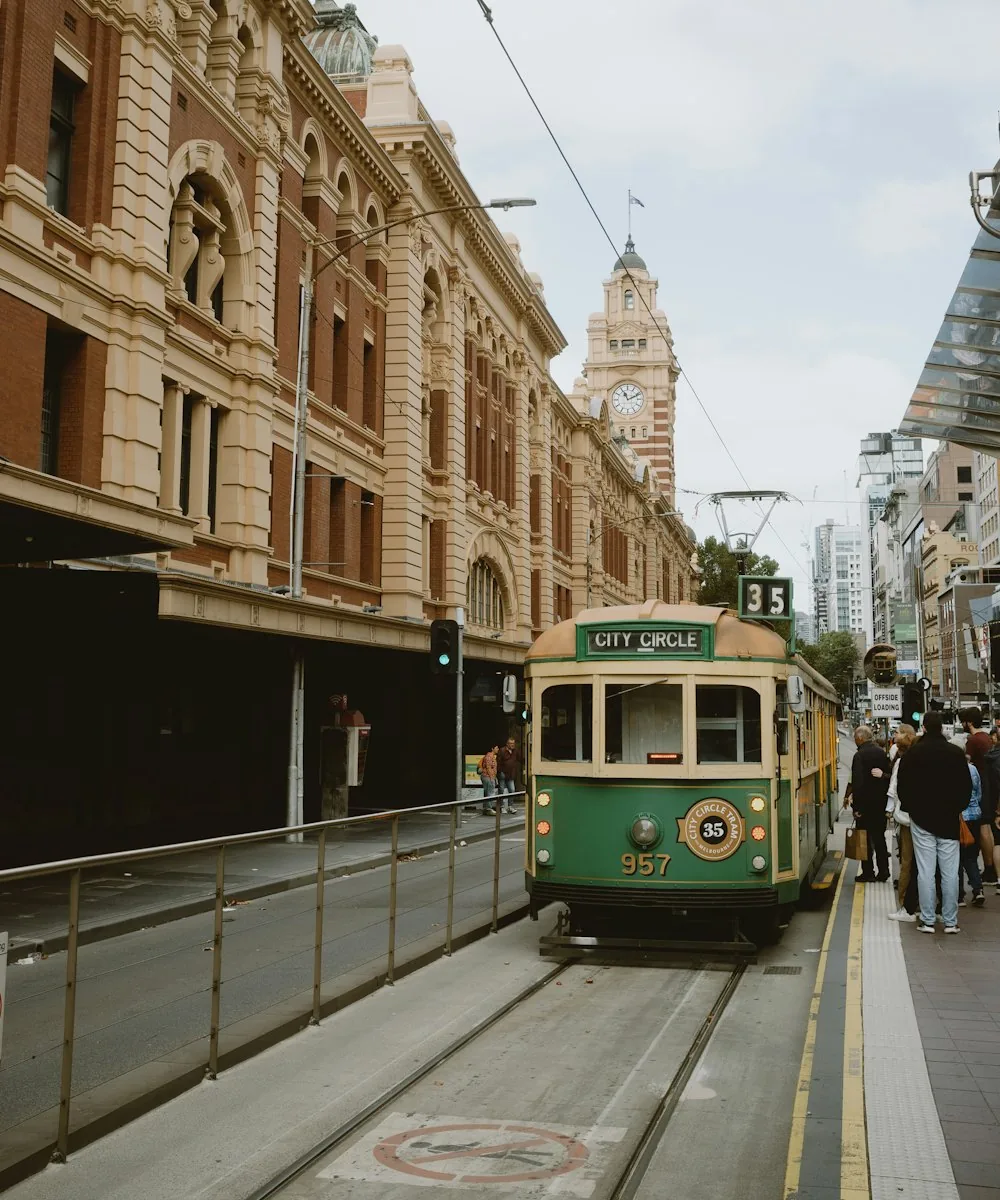
Flinders Street StationInside the CBD's Free Tram Zone
Where to stay
Best Areas to Stay in Melbourne.
Melbourne is spread out, so your base decides how much you can do on foot and how often you'll be waiting for a tram. These five areas suit the most common trip styles.
Melbourne CBD
Best for first-time visitors and short stays
Atmosphere
Laneway cafés, heritage arcades, rooftop bars and department stores—busy on weekdays, livelier than you might expect at night.
Transport
Flinders Street and Southern Cross stations plus the City Loop, and free trams on every street inside the Free Tram Zone.
Nearby
Federation Square, Hosier Lane's street art, the Block Arcade, State Library Victoria and Queen Victoria Market.
Stay style
Large hotels, serviced apartments and compact city rooms; rates jump during major sporting events.
Search all Melbourne hotels for your dates, then use the map view on Booking.com to see which neighbourhoods have availability—Carlton, Docklands and Richmond are worth a look too. Our hotel booking checklist covers cancellation terms, parking and room types.
Use these as a starting point. Melbourne's weather can turn quickly, so keep an indoor option—a gallery, museum or arcade—up your sleeve each day.
2 days
A City Snapshot
Day 1: Federation Square, the laneways and arcades, and Hosier Lane, then NGV International and an evening walk along Southbank.
Day 2: Queen Victoria Market in the morning, Carlton Gardens and the Royal Exhibition Building, then dinner on Brunswick or Smith Street.
3 days
The Highlights
Day 1: The CBD laneways, arcades and Federation Square, with a ride on the City Circle tram.
Day 2: Royal Botanic Gardens, the NGV and an MCG tour or match.
Day 3: Queen Victoria Market, an afternoon in Fitzroy or Collingwood, and sunset in St Kilda.
5 days
City and Coast
Days 1–3: The three-day plan at a slower pace, adding Melbourne Museum or South Yarra.
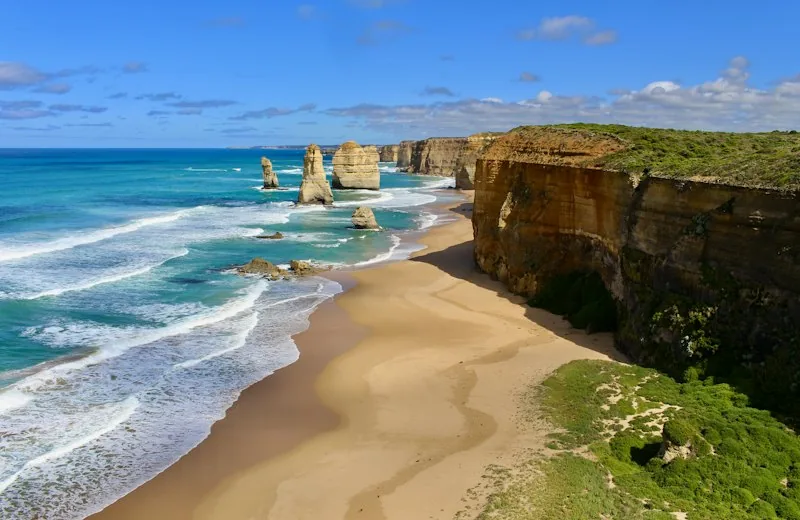
Day 4: The Great Ocean Road or the Yarra Valley. The Twelve Apostles make for a very long day, so consider an overnight stop.
Day 5: Phillip Island or the Mornington Peninsula, or a spare day for weather.
Timing and tips
When to Go and What to Know.
When to Visit
Autumn and spring (March–May, September–November) usually bring mild days that suit walking and gardens, with autumn colour in the parks from around April. Locals joke about "four seasons in one day", and spring in particular can swing between warm sunshine and cold showers.
Summer (December–February) is warm, with occasional very hot days broken by sudden cool changes. It's the season for the bay beaches and outdoor events, and the Australian Open in January fills hotels near the city. If you're heading out of town, check VicEmergency for fire danger warnings.
Winter (June–August) is cool and often grey, but it's football season and a cosy time for galleries, bars and restaurants. Rates rise around the AFL Grand Final in September, the Grand Prix in autumn and the Melbourne Cup in November. Check official event calendars for your dates.
Local Tips
Pack layers and a light rain jacket whatever the forecast—temperatures can drop sharply in an afternoon.
You don't need to touch on for trips entirely within the Free Tram Zone, but you do need a valid fare as soon as your trip leaves it.
If you drive in the CBD, look for "hook turn" signs: at those intersections, right turns are made from the left lane.
Check a hotel's parking charges before booking; CBD and Southbank parking is often charged per night.
Buy tickets for the tennis, football, racing and the Grand Prix through official sellers rather than unknown resellers.
Some cafés and restaurants add Sunday and public-holiday surcharges, and card fees are common. Tipping isn't expected.
Getting there and around
Arriving and Getting Around.
Arriving
Melbourne Airport (MEL): most domestic flights land at Tullamarine, where the terminals sit side by side. There is no airport train yet, so most visitors take the SkyBus express coach to Southern Cross Station, a taxi or a rideshare. Travelling as a group, compare the coach with a single taxi; check SkyBus for current timetables and fares.
Avalon Airport (AVV): some domestic flights use Avalon, between Melbourne and Geelong. It's a long way from the CBD, so check ground transport before you book a flight there.
By train, car or ferry: NSW TrainLink XPT services from Sydney and V/Line regional trains arrive at Southern Cross. Driving from Sydney takes most of a day. The Spirit of Tasmania ferry from Devonport docks at Geelong, around an hour by road from the city.
Public Transport
Trams, trains and buses all use the myki system. Touch on each time you travel with a myki card or, on compatible phones, a mobile myki. Contactless bank card and phone payments have been rolling out across the network, so check Public Transport Victoria (PTV) for where they're accepted, current fares, daily caps and concession options.
Trams are the easiest way to cover the CBD and inner suburbs, and they're free inside the Free Tram Zone. Trains are quicker for longer trips, such as South Yarra or Richmond. Planned works sometimes replace trains or trams with buses, so check the PTV journey planner or app before you set out.
Suggested searches
Compare Hotels by Area.
Use these area-focused hotel searches to compare availability for your dates. Rates change often—check the total price, including any fees, on Booking.com before you reserve.
Melbourne CBD
Laneways on Your Doorstep
Walk to the arcades, Federation Square and free trams.
Not for a city-focused trip. Trams, trains and buses cover the CBD and inner suburbs, and CBD hotel parking is often charged per night. Hire a car for day trips such as the Great Ocean Road, the Yarra Valley or Phillip Island, and remember that some CBD intersections require a hook turn.
Which area is best for a first visit to Melbourne?
The CBD or Southbank puts you within walking distance of the laneways, Federation Square, the NGV and the Yarra River, with Flinders Street and Southern Cross stations close by. If you would rather be by the water, St Kilda offers a bayside base with direct trams to the city.
How many days do I need in Melbourne?
Three to four days covers the CBD, the gardens and a couple of inner suburbs. Allow five to seven days to add a day trip to the Great Ocean Road, the Yarra Valley or Phillip Island, or simply to slow down.
Are trams free in Melbourne?
Trams are free within the Free Tram Zone, which covers the CBD and parts of Docklands. If your trip starts or ends outside the zone, you need a valid fare, so touch on with your myki or another accepted payment method. Signs at tram stops show where the zone ends; check PTV for the current map.
How do I get from Melbourne Airport to the city?
There is no train to Melbourne Airport yet. The SkyBus express coach runs between the airport and Southern Cross Station, and taxis and rideshare services leave from the terminal forecourts. Check the SkyBus and Melbourne Airport websites for current timetables and fares.
Ready to Search Melbourne Stays?
Compare hotels by neighbourhood and check current availability for your dates on Booking.com. The Trip Route does not process reservations or display live rates.