


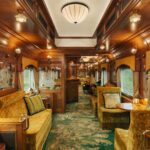
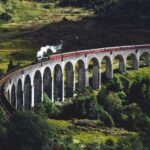


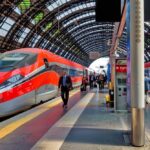
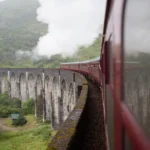
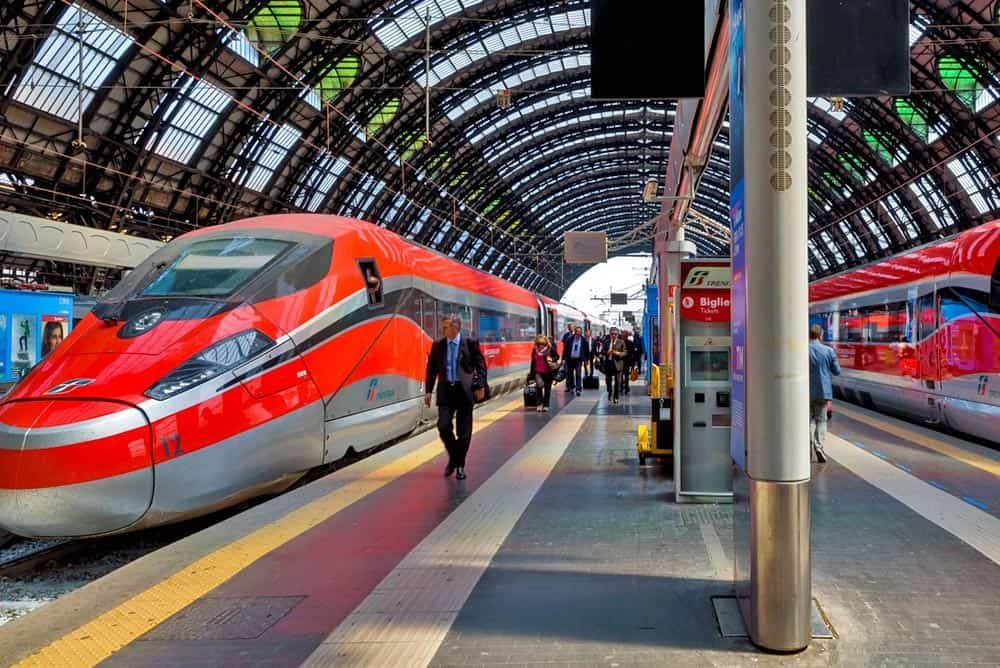

Train travel is one of the most enjoyable, immersive, and efficient ways to explore the world. Whether you’re commuting between cities, backpacking across countries, or embarking on scenic sleeper journeys, trains offer a level of comfort and cultural experience that flights and buses cannot match. Modern rail networks are fast, reliable, eco-friendly, and increasingly designed for tourism, allowing travellers to sit back, relax, and watch landscapes unfold through wide windows.
- Why Choose Train Travel?
- Types of Train Travel Explained
- Train Classes and Seating Types
- How to Book Train Tickets
- Understanding Train Passes (Especially in Europe & Japan)
- Luggage Rules for Train Travel
- Food and Dining Options on Trains
- Safety and Etiquette on Trains
- Best Scenic and Cultural Train Journeys to Consider
- Budgeting for Train Travel
- Train Travel for Families, Couples, and Solo Travelers
- Essential Train Travel Tips & Hacks
- Frequently Asked Questions
- Final Thoughts
This comprehensive train travel guide will walk you through everything you need to know before planning a rail journey in 2026—covering types of trains, booking tips, cabin classes, luggage rules, rail passes, safety, costs, scenic recommendations, and essential travel hacks.
Why Choose Train Travel?
Train travel has been making a strong comeback, and the reasons go beyond nostalgia. Trains offer unique advantages for leisure travellers, backpackers, families, and even business travellers.
Comfort and Space:
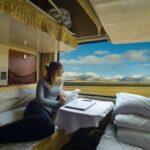
Trains often provide more legroom than buses and flights, allowing passengers to move freely between carriages, stretch their legs, dine at restaurant cars, or relax in sleeper cabins.
Scenic Views:
Unlike air travel, trains move through mountains, valleys, coasts, farmlands, and towns, making the journey visually meaningful.
Convenient City Access:
Most major train stations are located in city centres, eliminating expensive transfers to airports.
Eco-Friendly Option:
Trains produce fewer emissions than airplanes and cars, making them ideal for sustainable tourism.
Flexible Pricing:
Early-bird tickets, rail passes, and backpacker discounts can make train travel cost-effective compared to flying.
Because of these advantages, many travellers are rediscovering the charm and practicality of rail journeys.
Types of Train Travel Explained
The world’s rail networks are diverse. Understanding train types helps you choose the right journey for your travel goals.
High-Speed Trains
Designed for fast intercity travel, high-speed trains operate at speeds between 200–350 km/h.
Examples include:
- Shinkansen (Japan)
- TGV (France)
- ICE (Germany)
- AVE (Spain)
- CRH (China)
These trains are ideal for business and tourism trips where time efficiency matters.
Regional Trains
Regional trains connect small towns, villages, and cities at moderate speeds. They may not require reservations and offer budget-friendly travel.
Sleeper Trains
Sleeper trains convert seats into beds and allow passengers to travel overnight.
They make long distances manageable and save on hotel costs.
Scenic Tourist Trains
These trains are designed for sightseeing with panoramic windows, observation cars, and commentary.
Examples:
- Bernina Express (Switzerland)
- Rocky Mountaineer (Canada)
- TranzAlpine (New Zealand)
Luxury Trains
Luxury trains combine hotel-style comfort with curated excursions and fine dining.
Examples:
- Venice Simplon-Orient-Express (Europe)
- Maharajas’ Express (India)
- Rovos Rail (Africa)
Understanding these categories helps travellers choose the best type of journey for their preferences and budget.
Train Classes and Seating Types
Seating and accommodation options vary by region and train type.
Common classes include:
Standard/Economy Class:
Basic seating, budget-friendly, suitable for short trips.
First/Business Class:
More legroom, quiet environments, upgraded meals, and sometimes power outlets.
Couchettes:
Shared bunk compartments (4 or 6 beds) on overnight trains.
Sleeper Cabins:
Private or shared rooms with beds, often with amenities.
Luxury Suites:
Private bathrooms, premium bedding, and concierge services.
Travellers should evaluate comfort vs cost, especially for overnight or cross-country trips.
How to Book Train Tickets
Booking methods vary across regions, but generally include:
Online Booking:
Most rail networks allow booking via official apps or websites.
Examples:
- Rail Europe (Europe)
- VIA Rail (Canada)
- Amtrak (USA)
- JR Pass website (Japan)
- IRCTC (India)
Station Counters:
Useful for last-minute or regional tickets.
Travel Agencies & Rail Pass Providers:
Ideal for multi-country trips.
Mobile Apps:
Many countries offer digital tickets and QR codes to reduce paper tickets.
Booking early is recommended for popular routes, especially during holidays and festivals.
Understanding Train Passes (Especially in Europe & Japan)
Rail passes simplify multi-route rail travel by offering unlimited travel within a time period.
Popular passes include:
Eurail & Interrail Passes (Europe)
These passes allow travellers to explore multiple countries using a single ticket.
Key benefits:
- Unlimited travel days within chosen periods
- Access to high-speed and scenic trains (reservations may be required)
- Flexible route planning
JR Pass (Japan)
The Japan Rail Pass offers unlimited travel on JR-operated trains, including many Shinkansen lines.
Best for travellers making multiple intercity trips.
Country-Specific Passes
Examples include:
- Swiss Travel Pass
- German Rail Pass
- Italian Rail Pass
- BritRail Pass
Rail passes are ideal for backpackers, digital nomads, and travellers on multi-country European trips.
Luggage Rules for Train Travel
Trains generally offer generous luggage allowances compared to flights.
Typical luggage guidelines include:
- 1–2 large bags per person
- Small backpacks or handbags
- No strict weight limits (within reason)
Many trains have overhead racks, luggage compartments, or under-seat space.
However, always check:
- High-speed train luggage rules in Europe and Japan
- Sleeper train baggage placement
- Restrictions on oversized sports equipment
Security checks may apply on select lines or international routes.
Food and Dining Options on Trains
Dining options vary by country, train type, and ticket class.
Common options include:
- Dining cars/restaurant services
- Snack trolleys
- Pre-booked meals
- Pantry cars on sleeper trains
- Station food stops for regional trains
Some countries are famous for their train food culture. For example:
- Japan’s Ekiben boxed meals are popular at Shinkansen stations.
- India offers pantry cars and station vendors.
- Europe provides gourmet dining on luxury and first-class trains.
Packing extra snacks is recommended for long-distance journeys.
Safety and Etiquette on Trains
Train travel is generally safe, but awareness and etiquette enhance the experience.
Safety Tips:
- Keep valuables close or locked
- Use cabin locks on overnight trains
- Store luggage properly to avoid falls
- Follow platform safety lines
Etiquette Tips:
- Avoid loud conversations
- Keep phones on silent mode
- Respect reserved seating
- Keep corridors clear
- Follow quiet car rules on certain trains
In shared couchettes, always be considerate with lighting and noise.
Best Scenic and Cultural Train Journeys to Consider
Some train routes around the world are famous for scenic, cultural, or luxury value.
Europe:
- Bernina Express (Switzerland to Italy)
- Glacier Express (Switzerland)
- West Highland Line (Scotland)
Asia:
- Kandy to Ella (Sri Lanka)
- Alishan Forest Railway (Taiwan)
- Trans-Mongolian (China–Mongolia–Russia)
North America:
- Rocky Mountaineer (Canada)
- Empire Builder (USA)
- Alaska Railroad (USA)
Africa:
- Blue Train (South Africa)
- Rovos Rail (Southern Africa)
Oceania:
- TranzAlpine (New Zealand)
- Kuranda Scenic Railway (Australia)
Planning scenic routes adds depth to travel experiences.
Budgeting for Train Travel
Cost varies by region, class, booking time, and pass options.
Ways to save money:
- Book early for high-speed routes
- Travel off-peak
- Use rail passes for multiple trips
- Choose couchettes over private cabins
- Avoid last-minute purchases during holidays
In Europe and Japan, early reservations can reduce fares significantly.
Train Travel for Families, Couples, and Solo Travelers
Different traveler types benefit from train travel in unique ways.
Families:
Kids have room to move, no seatbelts, and access to onboard toilets—making travel easier than buses.
Couples:
Sleeper cabins and scenic routes offer romantic travel experiences, especially in Europe and Japan.
Solo Travelers:
Shared couchettes and dining cars encourage interaction and budget-friendly travel.
Seniors:
Reduced walking distances, less stress than airports, and comfortable seating support relaxed travel.
Essential Train Travel Tips & Hacks
Here are practical tips that frequent rail travelers swear by:
- Reserve window seats for scenic routes
- Download offline maps and entertainment
- Carry small snacks and bottled water
- Travel with a lightweight lock for shared cabins
- Bring travel pillow for overnight comfort
- Charge devices before boarding
- Label luggage with name and destination
- Arrive early for busy stations
- Check for mandatory seat reservations
Small habits can significantly improve train travel comfort.
Frequently Asked Questions
Is train travel cheaper than flying?
Often yes, especially within Europe and Japan if booked early or using rail passes.
Are overnight trains safe?
Generally yes, especially in Europe and Japan. Use common safety measures for shared cabins.
Do trains have Wi-Fi?
Many modern trains do, but not all. Scenic and rural routes may lack internet access.
Can I bring food onboard?
In most countries, yes. Many travelers pack meals for long routes.
Are pets allowed?
Rules vary by rail company. Some allow small pets in carriers.
Final Thoughts
Train travel offers a refreshing alternative to modern rushed transportation. It blends convenience, scenery, culture, and sustainability into a single experience—whether you’re crossing a city, a country, or an entire continent. With countless options ranging from budget-friendly regional routes to luxurious multi-day expeditions, the world of rail travel has something for every type of traveler in 2026.
If you’re planning your next adventure, consider taking the train. The views are better, the journey feels slower in the best possible way, and the memories often last longer than the destination itself.