









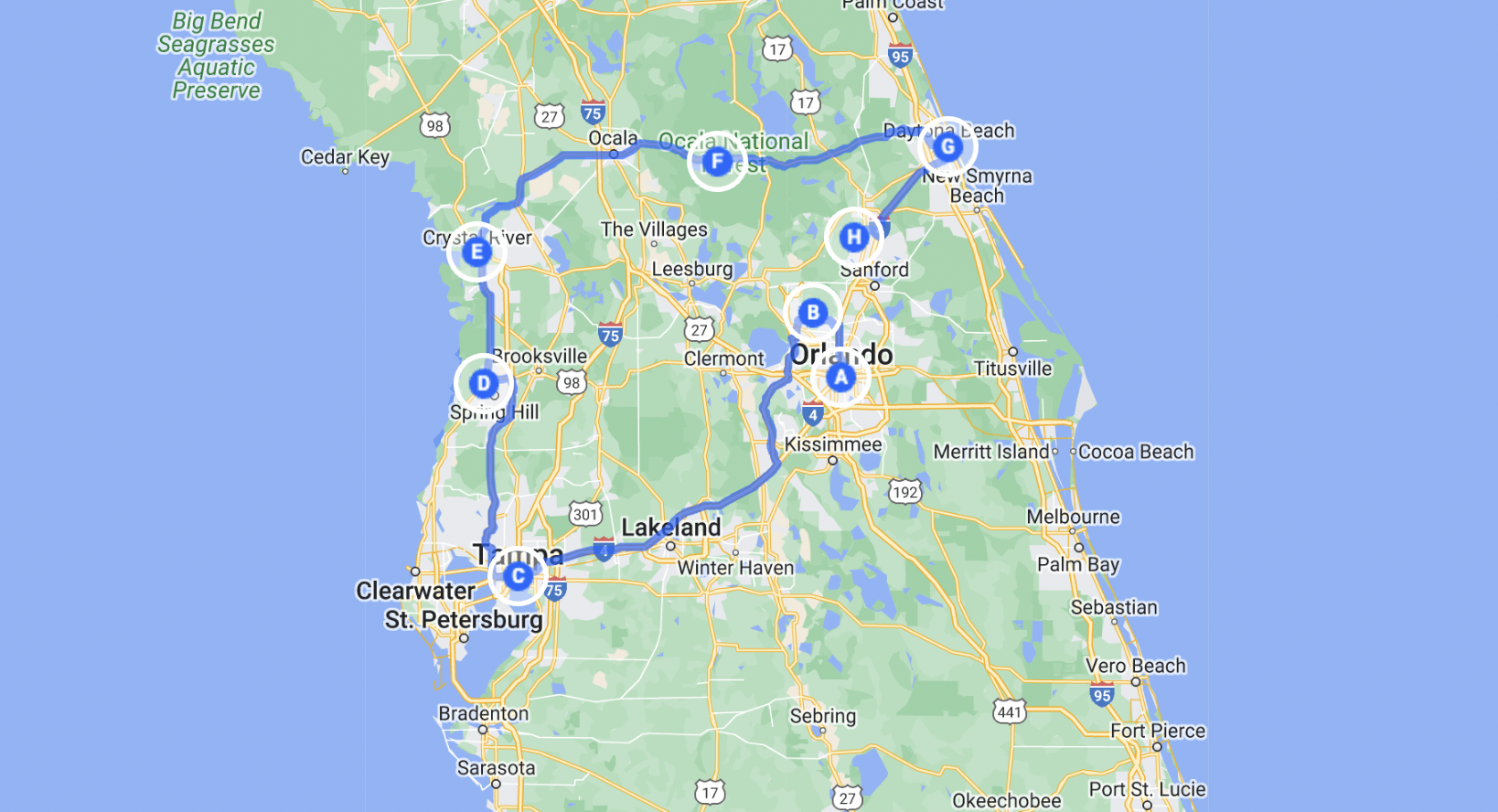

Understanding the Importance of a Road Trip Itinerary
A great road trip is more than just getting into a vehicle and driving until you reach a destination. It’s a carefully designed journey that blends scenic routes, well-timed breaks, accommodation planning, sightseeing, and spontaneous detours. While road trips are often romanticised as unplanned adventures, the truth is that a basic itinerary helps avoid stress, keeps your budget on track, and maximises the experience. A well-structured road trip itinerary ensures you don’t miss important attractions, spend unnecessary hours driving, or struggle with accommodation availability in remote or high-demand regions.
- Understanding the Importance of a Road Trip Itinerary
- Factors to Consider Before Building an Itinerary
- Steps to Create a Road Trip Itinerary
- Sample 3-Day Road Trip Itinerary (Template)
- Sample 7-Day Road Trip Itinerary (Detailed Example)
- Best Tools & Apps for Building Road Trip Itineraries
- Common Road Trip Itinerary Mistakes to Avoid
- Frequently Asked Questions (FAQs)
- Final Thoughts
Many new travellers assume that itineraries remove spontaneity from the trip, but it’s actually the opposite. When the fundamentals are organised—like distance, petrol stops, and realistic driving hours—you’re free to relax, explore, and enjoy surprises along the way. The goal isn’t rigid scheduling; it’s smart planning.
Factors to Consider Before Building an Itinerary
Creating an effective road trip itinerary starts with understanding the variables that influence your journey. Not every route, season, or traveller has the same preferences, so the planning process needs to be adjusted accordingly.
Travel Duration
The first question is: How long do you have?
A 2-day road trip looks very different from a 10-day expedition. If time is short, choose compact loops or routes closer to your base. If time is longer, you can explore national parks, secondary roads, and remote regions.
Budget
Fuel, tolls, food, accommodation, and entry fees can add up. Having a budget helps decide:

- Accommodation type (camping, hostels, hotels)
- Vehicle type (fuel efficiency vs power)
- Paid attractions vs free nature stops
Driving Distance & Comfort
Not everyone enjoys driving 8–10 hours a day. A realistic itinerary avoids exhaustion by balancing driving with sightseeing. The average comfortable daily driving limit is:
- 4–6 hours per day for leisure road trips
- 2–3 hours per day if travelling with kids or seniors
Vehicle Type
Your vehicle should match the terrain and destination:
- City trips → sedans and hatchbacks
- Mountain or off-road routes → SUVs or 4×4
- Van-life trips → campervans or RVs
Checking tyres, brakes, spare wheel, and engine fluids before departure is crucial.
Season & Weather
Seasons affect both accessibility and scenery. For example:
- Mountain passes may close in winter due to snow
- Coastal routes may have fog or storms
- Desert routes are dangerous in summer afternoons
- Monsoon may cause landslides in hill regions
Weather forecasting apps like Windy, AccuWeather, and local tourism websites are useful.
Travelling Style
Some travellers like museums and architecture, others enjoy beaches, wildlife, or hiking. Tailor your itinerary to match interests, not generic “must see” lists.

Steps to Create a Road Trip Itinerary
Here is a step-by-step method for building a practical and comfortable itinerary.
Step 1: Define Start and End Points
Every road trip starts with identifying where you’ll begin and end. Some itineraries form a loop (start and finish same city), while others are linear (start and finish in different places).
Examples:
- Loop Trip: Sydney → Blue Mountains → Hunter Valley → Port Stephens → Sydney
- One-way Trip: San Francisco → Big Sur → Santa Barbara → Los Angeles
Loops are easier for car rentals, while one-way trips are great for covering long distances.
Step 2: Select Major Stops and Regions
Once you know the route, list the major towns, parks, or landmarks along the way. These create the skeleton of your itinerary.
For example, a Europe road trip might include:
- Lake Como → Interlaken → Lucerne → Innsbruck
Or an Iceland Ring Road trip might include:
- Reykjavik → Vik → Hofn → Egilsstadir → Myvatn → Akureyri
This helps you visualise the overall structure of the journey.
Step 3: Break Down Driving Distances
Blindly looking at maps can be misleading. A 200 km drive might take 2 hours on a highway but 6 hours on mountain roads. Use Google Maps or Apple Maps to estimate realistic timings.
When breaking down distances, consider:
- Road quality
- Traffic patterns
- Breaks for food or fuel
- Scenic viewpoints
- Toll roads
Pro tip: Always add a buffer of +20% time for scenic routes because you’ll likely stop for photos or exploration.
Step 4: Allocate Sightseeing & Activities
After distances are clear, slot in sightseeing. Avoid stacking too many attractions in one day—quality is better than quantity.
For example:
- Morning: scenic drive + viewpoint
- Afternoon: museum or park visit
- Evening: local food experience
If hiking, skiing, or beach activities are included, allocate full-day slots where needed.
Step 5: Schedule Food & Accommodation
Food and sleep are major comfort points on a road trip. Researching restaurants and hotels prevents last-minute panic.
Accommodation types include:
- Hotels for comfort
- Hostels for budget
- Guesthouses for local culture
- RV camping for freedom
Apps like Booking.com, Airbnb, Hostelworld, and Google Reviews help compare options.
Step 6: Add Fuel, Toll & Maintenance Checkpoints
Long routes may have stretches with no petrol stations or shops. Your itinerary should include:
- Petrol/diesel stops
- EV charging stations (if using electric cars)
- Toll-plaza estimates
- Emergency mechanics or service centres
Websites like ViaMichelin can calculate toll costs for Europe, while GasBuddy helps track fuel prices in the US/Canada.
Step 7: Leave Room for Flexibility
No matter how well you plan, road trips always include spontaneous discoveries. A good rule is to leave:
- 1 free afternoon every 2–3 days
- 1 buffer day for weather or unforeseen delays
Flexibility makes the journey enjoyable instead of stressful.
Sample 3-Day Road Trip Itinerary (Template)
Here’s an example for shorter weekend trips.
Day 1: Drive + Scenic Stops + Local Town
- Depart early to avoid traffic
- Scenic lookout stops along the way
- Lunch in a small town
- Visit a historic site or nature park
- Check-in and explore evening market
Day 2: Activity Day
- Morning hike or museum visit
- Afternoon lake/beach/market exploration
- Sunset viewpoint stop
- Dinner at a recommended local spot
Day 3: Return + Detours
- Breakfast and check-out
- Optional detour for waterfalls or vineyards
- Return home by early evening
This template works well for couples, families, or solo travellers.
Sample 7-Day Road Trip Itinerary (Detailed Example)
Example route: Vancouver → Whistler → Kamloops → Jasper → Banff → Calgary
Day 1: Vancouver to Whistler
- Drive the Sea-to-Sky Highway
- Stops at Shannon Falls & Squamish lookout
- Evening walk in Whistler Village
Day 2: Whistler to Kamloops
- Scenic mountain roads
- Stop at Joffre Lakes (optional hike)
- Overnight in Kamloops
Day 3: Kamloops to Jasper
- Enter the Canadian Rockies
- Visit Mount Robson (BC’s highest peak)
- Overnight in Jasper town
Day 4: Jasper National Park Exploration
- Maligne Lake & Spirit Island
- Athabasca Falls
- Wildlife spotting (bears, elk, bighorn sheep)
Day 5: Jasper to Banff via Icefields Parkway
- Famous glacier highway
- Peyto Lake lookout
- Columbia Icefield Skywalk
- Overnight in Banff
Day 6: Banff National Park Exploration
- Lake Louise & Moraine Lake
- Banff Gondola or hot springs
- Dinner in Banff town
Day 7: Banff to Calgary
- Short scenic drive
- Drop off vehicle and depart
This 7-day structure mixes driving, nature, and relaxation without exhausting travellers.
Best Tools & Apps for Building Road Trip Itineraries
Digital tools simplify planning greatly. Here are useful ones:
Navigation & Maps
- Google Maps
- Apple Maps
- Maps.me (offline maps)
Accommodation Booking
- Airbnb
- Booking.com
- Hostelworld
Fuel & EV Stations
- GasBuddy (US/Canada)
- PlugShare (EV charging)
- ViaMichelin (Europe tolls)
Safety & Emergency
- Weather apps
- Hospital locator apps
- Roadside assistance contacts
These tools reduce surprises and help keep the trip smooth.
Common Road Trip Itinerary Mistakes to Avoid

Even experienced travellers make planning mistakes. Here are ones to avoid:
Mistake 1: Overpacking the itinerary
Too many stops = rushed experience + fatigue.
Mistake 2: Ignoring weather
Fog, snow, rain, or heat waves can delay routes significantly.
Mistake 3: Not accounting for breaks
Driving without rest increases risk of accidents.
Mistake 4: Booking nothing during peak seasons
Popular areas sell out—prebook hotels in places like Banff, Amalfi Coast, or Iceland.
Mistake 5: Not checking vehicle condition
Mechanical failures are trip-killers—always inspect tyres, oil, and brakes.
Frequently Asked Questions (FAQs)
Q1: How many hours per day should I drive on a road trip?
4–6 hours daily is comfortable. For families with kids, 2–3 hours is ideal.
Q2: How do I choose the best route for my road trip?
Consider season, travel style, distance, and attractions along the route. Scenic byways are always better than highways if time permits.
Q3: Do I need to pre-book hotels?
In peak seasons, yes. In off-peak seasons, flexible booking is possible.
Q4: What vehicle is best for road trips?
For paved roads, sedans or hatchbacks are fine. For mountains or off-road trails, SUVs or 4×4 vehicles are recommended.
Q5: Should I rent or use my own car?
Renting is better for long one-way road trips to avoid wear on your own car.
Final Thoughts
Road trips are one of the most rewarding forms of travel, but the key to truly enjoying them lies in smart planning and well-balanced itineraries. A thoughtful road trip itinerary doesn’t eliminate fun—it creates space for it. When distances, accommodation, fuel stops, and sightseeing are organised, you have more freedom to soak in the views, taste local food, and enjoy spontaneous adventures along the road.
Whether you’re planning a quick weekend escape or a multi-country expedition, invest some time in building a good itinerary—it will pay off in comfort, safety, and unforgettable memories.