











Understanding the Appeal of Highway Travel
Highway travel has become one of the most rewarding ways to explore regions, nations, and sometimes even entire continents. Unlike fast but disconnected forms of transport like flights, highways allow travellers to experience shifting landscapes, small towns, culture, hidden food spots, and scenic viewpoints that would otherwise go unnoticed. From smooth expressways built for speed to scenic byways that wind through mountains and coastlines, highways add personality to travel.
- Understanding the Appeal of Highway Travel
- Types of Highways Travelers Encounter
- How to Choose the Right Highway Route
- Pre-Trip Highway Travel Planning Guide
- Essential Highway Travel Safety Tips
- Highway Amenities to Look Out For
- Best Scenic Highways Around the World for Travelers
- Highways Ideal for Cultural & Heritage Travel
- Digital Tools for Modern Highway Travel
- Most Common Challenges During Highway Travel
- Frequently Asked Questions (FAQs)
- Final Thoughts
Modern highways are better maintained, better signposted, and better connected than ever before. Many countries have invested in multi-lane express highways, digital toll systems, roadside amenities, clean fuel stations, and rest houses that make long-distance driving safer and more comfortable. Whether you’re travelling for leisure, business, or photography, highway travel offers accessibility, scenic variety, and flexibility that suit all types of travellers.
Types of Highways Travelers Encounter
Highways vary greatly depending on the region. Understanding the types helps with planning, route selection, and safety expectations.
Expressways / Motorways / Freeways
These are controlled-access highways designed for fast travel with multiple lanes and limited entry/exit points. Examples include:
- Interstate Highways (USA)
- Autobahns (Germany)
- Expressways (India)
- Motorways (UK)
Best for: Fast inter-city travel
Features: Toll booths, service plazas, speed regulations, fewer traffic lights
State Highways / National Highways
These connect smaller towns and cities. They may be multi-lane or single carriageway depending on region.
Best for: Road trips and regional travel
Features: More direct access to towns, fuel stations, markets
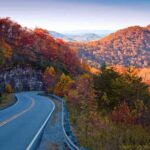
Scenic Byways / Tourist Highways
These are designed to showcase natural beauty and heritage. Examples:
- Blue Ridge Parkway (USA)
- Great Ocean Road (Australia)
- Wild Atlantic Way (Ireland)
Best for: Scenic drives, photography, leisure travel
Country Roads / Rural Highways
These are smaller routes connecting countryside areas. They may have narrow lanes but offer unique landscapes and rural hospitality.
How to Choose the Right Highway Route
Selecting the right highway route depends on what kind of experience you want.
For Fastest Travel
Choose expressways or freeways with multi-lane access, GPS navigation support, and minimal towns. Good for business trips or deadline-oriented travel.
For Scenic Drives
Choose coastal, mountain, or forest highways. Slower speeds but visually rewarding. Good for weekend road trips and photography.
For Cultural Exploration
Choose national or state highways that pass through villages, heritage towns, and regional food hubs.
Before choosing, consider:
- Road condition reviews
- Weather impact
- Toll cost
- Distance vs time
- Fuel station availability
- Accommodation on-route
A fast highway is not always the best highway if your goal is exploration.
Pre-Trip Highway Travel Planning Guide
Successful highway travel depends heavily on preparation. Here is a step-by-step planning guide:
1. Plan the Route in Advance
Use mapping tools not just for directions but for insights:
- Google Maps (traffic & road closure alerts)
- Waze (community-based incident alerts)
- Maps.me (offline support)
- ViaMichelin (Europe toll calculations)
Plan alternative routes in case of accidents or weather closures.
2. Check Road Conditions & Weather
Different highways react differently to weather:
- Fog affects mountain and forest highways
- Snow blocks high-altitude passes
- Monsoon affects landslide-prone regions
- Sandstorms impact desert highways
Websites, news, and local government portals offer travel advisories.
3. Prepare the Vehicle
Highway travel demands healthy vehicles. Inspect:
- Tyre pressure & spare tyre
- Engine oil & coolant levels
- Brakes & lights
- Windshield visibility
- Wipers for rainy seasons
Overlooking these can lead to breakdowns far from help.
4. Fuel & Toll Budgeting
Fuel efficiency varies based on:
- Speed
- AC usage
- Road gradient
- Vehicle type
Use apps like GasBuddy (USA/Canada) or ChronoFuel (Europe) for fuel price comparisons.
Toll expenses should be considered, especially with long expressways.
5. Accommodation & Food Planning
Highway hotels and dhabas vary greatly in quality. Research:
- 24×7 hotels for late arrivals
- Clean washroom availability
- Family-friendly stops
- Verified reviews
Chain restaurants and fuel station complexes are often more hygienic.
Essential Highway Travel Safety Tips
Highways demand different driving skills compared to city roads due to higher speeds and longer distances.
Maintain Safe Speeds
Overspeeding is one of the major causes of highway accidents. Different countries have varying limits:
- Autobahn: No general limit, but recommended 130 km/h
- USA freeways: 100–130 km/h
- India expressways: 80–120 km/h depending on lane
Follow local rules strictly.
Use the Correct Lane
Lane discipline is crucial on highways:
- Left lane = slower vehicles / exits
- Middle lanes = steady cruising
- Right lane = overtaking only
Avoid sitting permanently in overtaking lanes.
Overtake Safely
Never overtake at curves, bridges, tunnels, or blind spots. Always use indicators.
Take Breaks Every 2–3 Hours
Driver fatigue slows reaction times. Safe stopping areas include:
- Service plazas
- Fuel stations
- Rest areas
- Scenic viewpoints
Avoid stopping on shoulders unless it’s an emergency.
Night Travel Precautions
Night driving increases risk due to:
- Reduced visibility
- Wildlife crossings
- Fatigue
- Limited emergency services
If unavoidable, drive slower and keep headlights calibrated.
Highway Amenities to Look Out For
Highways today offer several facilities designed to ensure travel comfort.
Fuel & Charging Stations
Fuel stations are common on major highways, but EV charging availability varies by region. Europe and North America have more mature charging networks compared to Asia and the Middle East.
Service Plazas
Service plazas often include:
- Restaurants
- Cafes
- Toilets
- ATMs
- Small shops
- Free parking
- Child-friendly zones
Emergency Services
Some highways offer helpline numbers or SOS phones placed at intervals.
Tourist Information Boards
Scenic highways include signboards highlighting:
- Lookout points
- National parks
- Heritage sites
- Geological landmarks
These make highway travel educational as well as scenic.
Best Scenic Highways Around the World for Travelers
Several highways are globally renowned for their scenic landscapes and cultural charm.
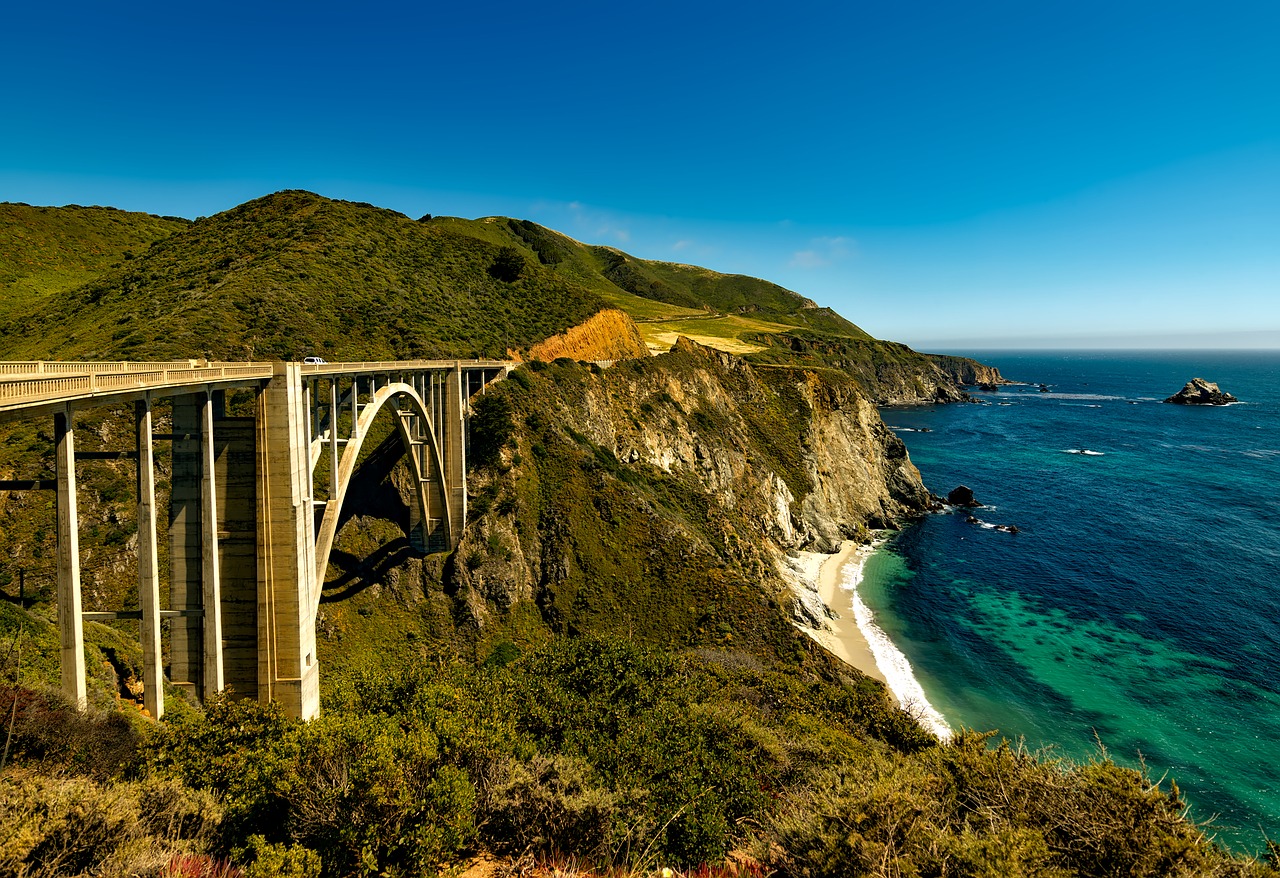
Pacific Coast Highway, USA
Runs along California’s coastline showcasing ocean cliffs, beaches, and coastal towns.
Icefields Parkway, Canada
Glacier viewpoints, turquoise lakes, and alpine wildlife make it a visual masterpiece.
Great Ocean Road, Australia
Famous for the Twelve Apostles, pristine beaches, and rainforest drives.
Ring Road, Iceland
Volcanoes, waterfalls, geothermal springs, fjords, and black sand beaches.
Garden Route, South Africa
Lagoons, wildlife reserves, forests, and dramatic coastlines.
These highways prove that sometimes the most beautiful destinations are found between two cities.
Highways Ideal for Cultural & Heritage Travel
Not all highways offer scenery—some offer centuries of history.
Silk Road Routes (Asia & Europe)
Ancient trade networks connecting China, Central Asia, and Europe.
Ruta 40 (Argentina)
Passes through wine regions, indigenous towns, and Andean mountains.
Europe’s Castles Route (Germany & France)
Highways connecting medieval castles, vineyards, and villages.
These routes appeal to slow-travel enthusiasts and culture lovers.
Digital Tools for Modern Highway Travel
Technology has made highway travel much easier.
Navigation & Traffic
- Google Maps
- Waze
- Apple Maps
- Here WeGo (offline maps)
Fuel & Toll Apps
- GasBuddy (North America)
- ViaMichelin (Europe)
- Fastag/NHAI tools (India)
Accommodation
- Booking.com
- Airbnb
- Hostelworld
Vehicle & Roadside Assistance
- OnStar
- AAA
- Allianz roadside help
- Local motor associations
These tools help minimize uncertainties.
Most Common Challenges During Highway Travel
Despite modern infrastructure, highway travellers may face challenges such as:
Weather Barriers
Fog, storms, snow, monsoon close passes and reduce visibility.
Mechanical Breakdowns
Always keep spare tyres, jump cables, and coolant.
Navigation Errors
Offline maps are a must for remote regions.
Wildlife & Livestock
Forested and rural highways may have animals crossing suddenly.
Being prepared reduces risks significantly.
Frequently Asked Questions (FAQs)
Q1: Is highway travel safe for beginners?
Yes, provided they follow speed rules, lane discipline, and avoid night driving initially.
Q2: How many hours per day can you safely drive on highways?
4–6 hours is ideal for leisure travel; 8 hours maximum with multiple breaks.
Q3: Can EVs be used for long highway trips?
Yes, in regions with established charging networks like Europe, USA, China, and parts of India.
Q4: Which highways are best for photography?
Pacific Coast Highway, Icefields Parkway, Ring Road, and Great Ocean Road are favourites among photographers.
Q5: Are toll highways better for travel?
Generally yes, because toll highways offer smoother roads, faster travel, and better facilities.
Final Thoughts
Highway travel is one of the most liberating, scenic, and accessible forms of exploration. A well-planned highway journey blends adventure with comfort, offering travellers the chance to witness nature, culture, and landscapes as they unfold through the windshield. Whether you’re crossing national parks, coastal zones, wine regions, or countryside hills, highways connect destinations in a way that planes and trains never could. With good preparation, vehicle checks, and route strategy, highway travel becomes not just a mode of transport, but a rewarding travel experience in itself.