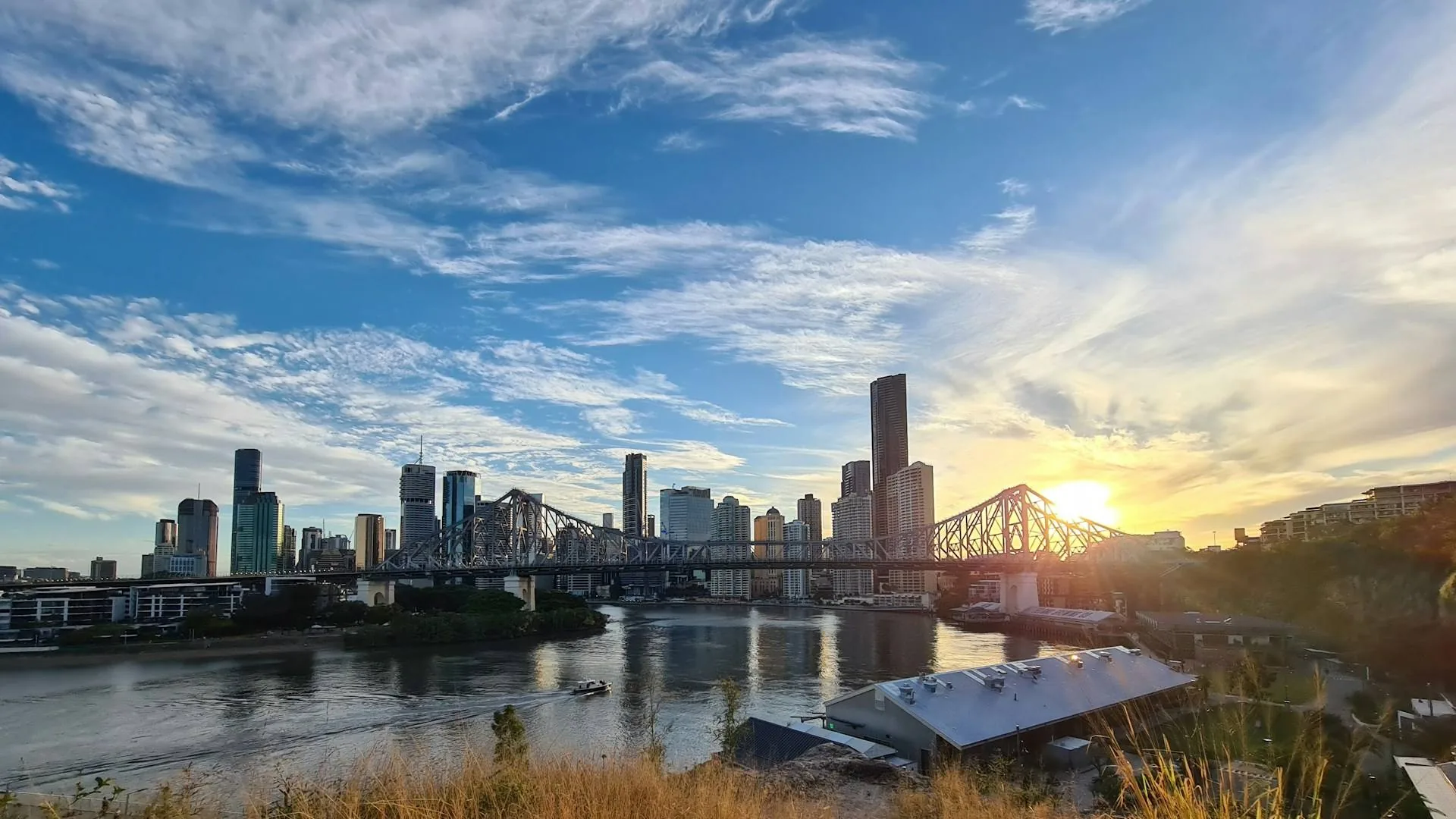
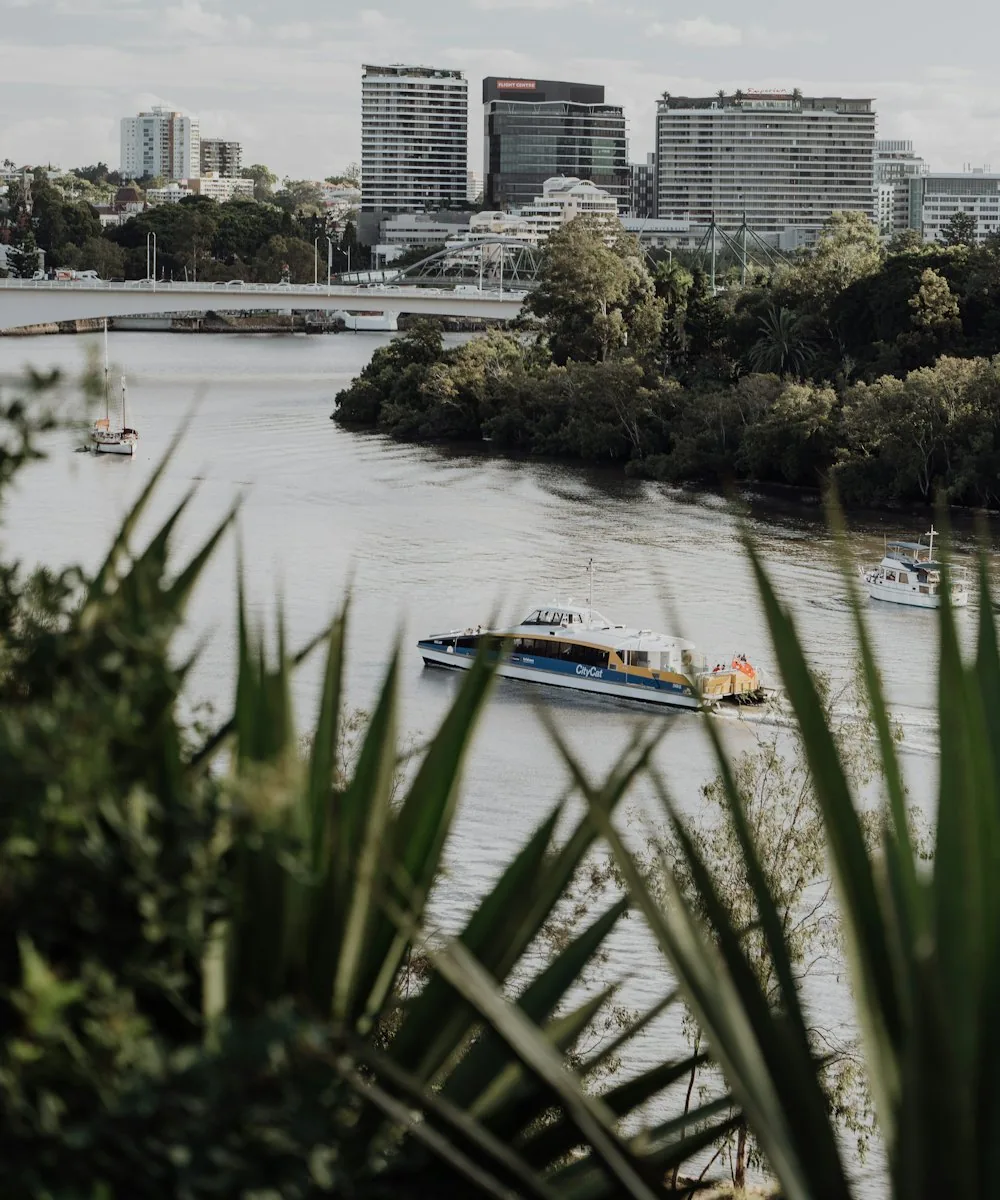
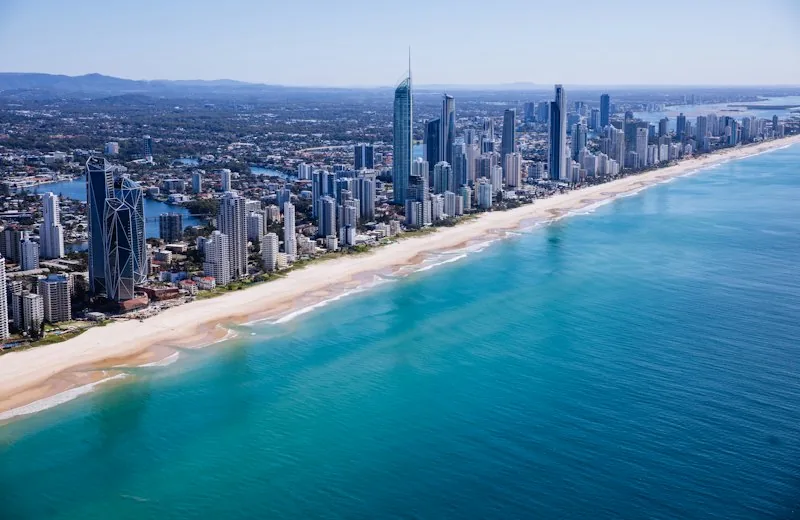
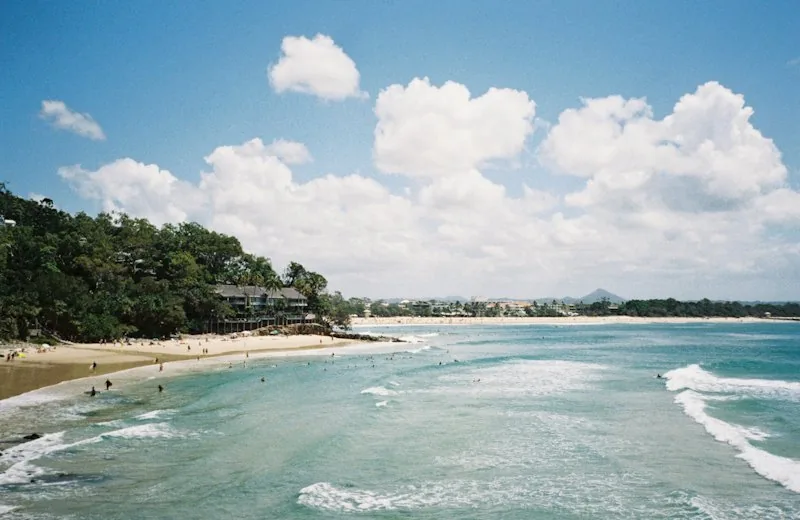
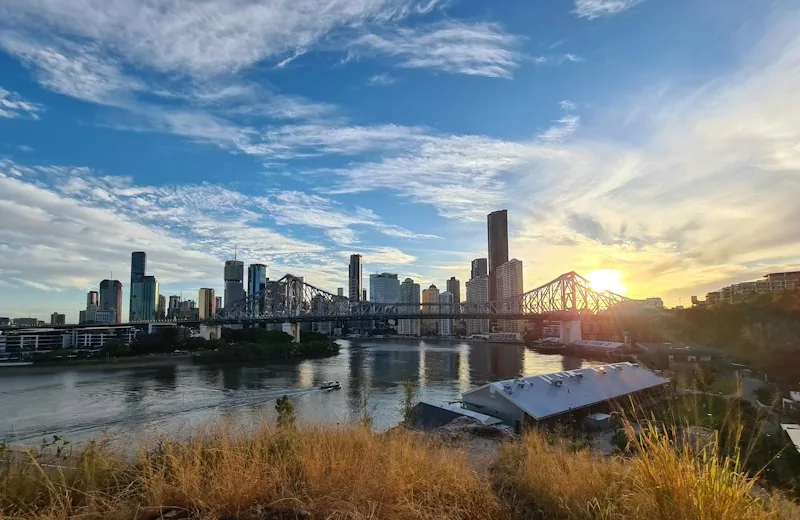
Brisbane is a relaxed, subtropical city built around a winding river. Ferries double as sightseeing, South Bank's parklands face the CBD across the water, and the Gold and Sunshine coasts are within easy reach. Compare the best areas for hotels, how to get around and how to shape a first—or return—visit.
Best for
River-city breaks, outdoor dining, family-friendly parklands and a base for the coasts
Trip length
2–3 days for the city; 5–7 days to add the Gold Coast, Sunshine Coast or a bay island
Best months
April–October for drier, milder weather; October–November for jacarandas in bloom
Getting around
Buses, trains, CityCats and ferries on the Translink network, with go card or contactless payment
Main airport
Brisbane Airport (BNE), roughly 15 km north-east of the CBD
Neighbourhoods
A riverside CBD, the South Bank cultural precinct, nightlife in the Valley and leafy, village-like inner suburbs
Why visit
A River City Made for the Outdoors.
The Brisbane River loops through the middle of the city, and much of Brisbane's life happens along its banks. CityCat ferries link riverside suburbs with the CBD, walking and cycling paths trace both shores, and South Bank Parklands—directly opposite the city centre—combines gardens, a free swimming lagoon and riverside restaurants. Next door, the cultural precinct is home to the Queensland Museum, the Queensland Art Gallery and Gallery of Modern Art (QAGOMA), the State Library and the Queensland Performing Arts Centre.
The subtropical climate shapes the way the city works. Mild, dry winters make June to August a comfortable time to visit, and eating outdoors is part of daily life for much of the year. Each inner suburb has its own character: Fortitude Valley for bars and live music, New Farm and Teneriffe for leafy streets and riverside parks, and West End for independent cafés and a weekend market.
Brisbane also makes a practical base for south-east Queensland, with the Gold Coast, the Sunshine Coast, the Scenic Rim and the Moreton Bay islands all within reach. The city is preparing to host the 2032 Olympic and Paralympic Games, and major projects can affect some streets, stations and venues, so confirm event dates, venue hours and timetables on official websites before you travel.
CityCat ferriesLinking riverside suburbs with the CBD
Where to stay
Where to Stay in Brisbane: Best Hotel Areas.
Brisbane's inner suburbs are compact, but the river shapes how you move between them. Staying near a ferry stop or train station makes day-to-day sightseeing much easier. These five bases suit the most common trip styles.
Brisbane CBD
Best for first-time visitors and short stays
Atmosphere
Office towers and heritage sandstone buildings around the Queen Street Mall, with the City Botanic Gardens at the river bend—quieter at night than the Valley.
Transport
Central and Roma Street stations, busway stations and ferry stops along the riverbank, with South Bank a short walk across the river.
Nearby
Queen Street Mall, the City Botanic Gardens, the Museum of Brisbane in City Hall and the Goodwill Bridge to South Bank.
Stay style
High-rise hotels and serviced apartments; weekday and weekend rates can differ noticeably.
Bars, clubs and live-music venues around the Brunswick Street Mall and Chinatown, with smarter dining and boutiques on James Street. Loud late on weekends.
Transport
Fortitude Valley station is a short train ride from Central, frequent buses run to the CBD, and the city centre is walkable in around 20 minutes.
Nearby
James Street, Chinatown, Howard Smith Wharves by the river below the Story Bridge, and New Farm Park.
Stay style
Boutique hotels, apartments and hostels; ask for a quieter room if you're a light sleeper.
Search all Brisbane hotels for your dates, then use the map view on Booking.com to see which neighbourhoods have availability—West End, Spring Hill and Newstead are worth a look too. Our hotel booking checklist covers cancellation terms, parking and room types.
Use these as a starting point. In the warmer months, plan outdoor sightseeing for the morning—storms often build in the afternoon.
2 days
A River City Snapshot
Day 1: The City Botanic Gardens and Queen Street Mall, then across the Goodwill Bridge to South Bank for the galleries, Streets Beach and dinner by the river.
Day 2: Lone Pine Koala Sanctuary in the morning, the Mount Coot-tha lookout in the afternoon, then dinner in Fortitude Valley.
3 days
The Highlights
Day 1: The CBD and South Bank, including the cultural precinct and Streets Beach.
Day 2: A CityCat ride along the river, New Farm Park and James Street, then Kangaroo Point Cliffs at dusk.
Day 3: Lone Pine in the morning and Mount Coot-tha in the afternoon.
5 days
City and Coast
Days 1–3: The three-day plan at a slower pace, adding West End or a show at QPAC.
Day 4: Gold Coast beaches by train and light rail, or Tamborine Mountain in the Scenic Rim by car.
Day 5: A Moreton Bay island such as North Stradbroke, the Glass House Mountains, or a spare day for weather.
Timing and tips
When to Go and What to Know.
When to Visit
Autumn and winter (March–August) bring lower humidity, and winter is usually the driest time of year, with sunny days often in the low 20s °C and cool nights. The Ekka—the Royal Queensland Show—draws big crowds in August.
Spring (September–November) warms up quickly. Jacarandas flower across the city from around October, and Brisbane Festival usually runs through September. Storm season starts to build towards the end of spring.
Summer (December–February) is hot and humid, with afternoon thunderstorms and occasional heavy rain. School holidays push up demand in the city and on the coasts. Check the Bureau of Meteorology for warnings and official event calendars for your dates.
Local Tips
The sun is strong year-round in south-east Queensland—pack a hat, sunscreen and a water bottle, even in winter.
Swimming in the Brisbane River isn't recommended. Use Streets Beach, a public pool or a patrolled beach on the coast instead.
Tap on and tap off with the same go card, bank card or phone each trip so your fare is calculated correctly.
Pack insect repellent for evenings by the river and in parks, especially in the warmer months.
Check a hotel's parking charges before booking, and confirm how your hire car handles tolls on the motorways and tunnels.
Some venues add Sunday and public-holiday surcharges, and card fees are common. Tipping isn't expected.
Getting there and around
Arriving and Getting Around.
Arriving
Brisbane Airport (BNE): the domestic and international terminals are a few kilometres apart and both have Airtrain stations. Airtrain runs to the CBD in around 20–25 minutes and many services continue to the Gold Coast. Airtrain fares are set separately from standard Translink fares, so check the Airtrain website, and compare with a taxi or rideshare if you're travelling as a group.
Gold Coast Airport (OOL): some travellers fly into Coolangatta instead. It's roughly 100 km south of Brisbane, so plan your onward transport before you book.
By train or car: NSW TrainLink XPT services from Sydney arrive at Roma Street, which is also the starting point for long-distance Queensland Rail trains heading north. Driving from Sydney is a long day, or two easier ones.
Public Transport
Buses, trains and ferries in south-east Queensland are part of the Translink network. Tap on and tap off with a go card, or with a contactless credit card, debit card or phone where it's accepted. Fares and payment options have changed in recent years, so check Translink for current fares and concession options.
The river is part of the network: CityCats and other ferries stop at terminals along both banks, and Brisbane City Council runs a free CityHopper ferry in the inner city. Trains are the quickest way to Fortitude Valley and the airport, while buses fill the gaps. Use the Translink journey planner or app to check timetables and any service changes before you set out.
Hotel searches
Compare Stays by Area.
Use these area-focused hotel searches to compare availability for your dates. Rates change often—check the total price, including any fees, on Booking.com before you reserve.
Brisbane CBD
Central and Walkable
Close to trains, ferries and the City Botanic Gardens.
Not for the inner city. CityCat ferries, buses and trains cover the CBD, South Bank, Fortitude Valley and the riverside suburbs. A car is useful for the Scenic Rim, the Sunshine Coast hinterland or the bay islands, and some of Brisbane's motorways and tunnels are tolled, so check how your hire car handles tolls.
Which area is best for a first visit to Brisbane?
The CBD or South Bank puts you within walking distance of the river, the City Botanic Gardens, the cultural precinct and Streets Beach, with trains, buses and ferries close by. Fortitude Valley suits travellers who want nightlife, while New Farm is quieter and more local.
How many days do I need in Brisbane?
Two to three days covers the river, South Bank and a couple of neighbourhoods. Allow five to seven days to add day trips to the Gold Coast, the Sunshine Coast, the Scenic Rim or a Moreton Bay island.
Where can I swim in Brisbane?
Streets Beach at South Bank is a free, lifeguard-patrolled lagoon in the heart of the city, and there are public pools across the suburbs. Swimming in the Brisbane River isn't recommended. For surf beaches, head to the Gold Coast or the Sunshine Coast, each an hour or more away by road.
How do I get from Brisbane Airport to the city?
Airtrain runs from both airport terminals to stations in the CBD, and many services continue to the Gold Coast. Taxis and rideshare services are also available. Airtrain fares are set separately from standard Translink fares, so check the Airtrain website for current timetables and fares.
Ready to Search Brisbane Hotels?
Compare hotels by neighbourhood and check current availability for your dates on Booking.com. The Trip Route does not process reservations or display live rates.