













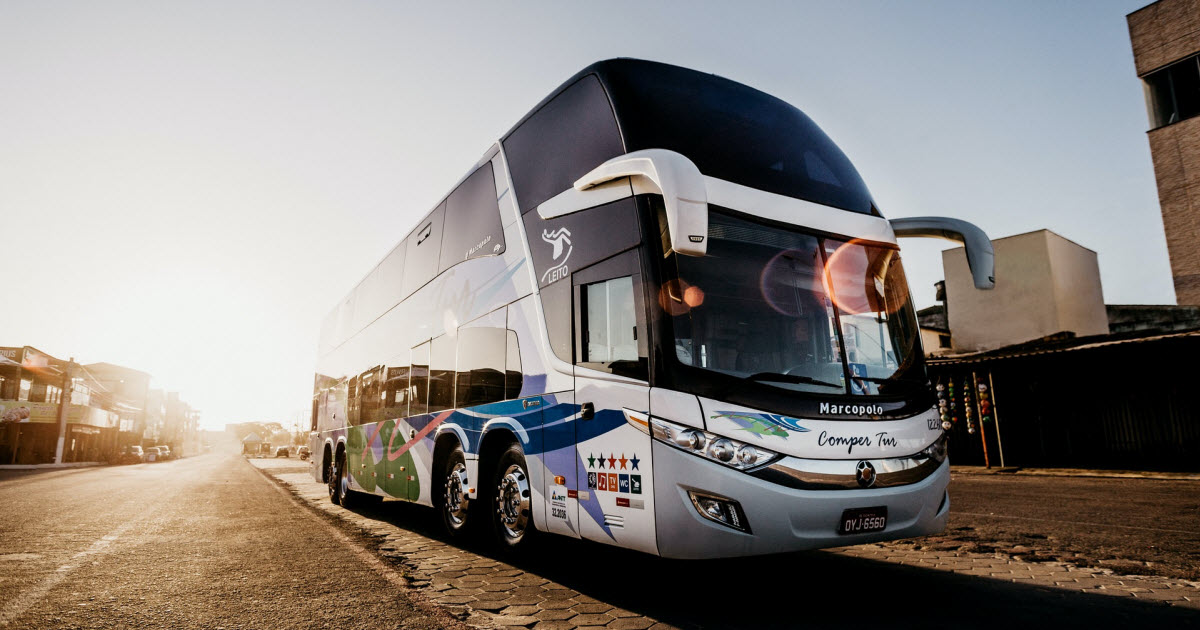

Bus travel remains one of the most economical and accessible ways to explore cities, countries, and entire regions around the world. While trains and flights tend to dominate headlines, buses play a massive role in connecting suburban areas, countryside towns, and remote destinations that lack airports or rail networks. For budget travelers, students, backpackers, and slow-travel enthusiasts, buses provide a practical and surprisingly comfortable means of transportation—especially with modern sleeper coaches, express services, and digital booking platforms improving every year.
- Why Bus Travel Still Matters in the Modern Travel Era
- Types of Bus Travel (Local, Intercity, Cross-Border & Tourist Coaches)
- How to Book Bus Tickets in 2026
- Comfort Levels and Seat Types on Modern Buses
- Overnight Bus Travel: Pros, Cons, and Survival Tips
- Bus Travel Safety: What Travelers Should Know
- Bus Travel Costs and Budget Tips
- Best Bus Travel Regions Around the World
- Essential Packing Checklist for Bus Travel
- Bus vs Train vs Flight: Which One Should You Choose?
- Frequently Asked Questions
- Final Thoughts
This bus travel guide covers essential knowledge for both domestic and international bus journeys, including how buses operate, how to book tickets, what to pack, safety considerations, overnight bus tips, reputable bus companies by region, and how bus travel compares to trains and flights. Whether you’re exploring Europe, Southeast Asia, North America, South America, the Middle East, or Africa, this guide will help you travel efficiently in 2026.
Why Bus Travel Still Matters in the Modern Travel Era
Despite the rise of low-cost airlines and high-speed rail, buses remain heavily used across continents for good reasons:
Affordability:
Buses generally cost far less than flights or trains, especially on short and mid-range routes.
Coverage:
Buses reach cities, towns, villages, and national parks where other transportation options don’t exist.

Flexibility:
High departure frequency and multiple daily schedules allow spontaneous travel.
Environmentally Friendly:
Buses produce fewer emissions per passenger compared to individual car travel.
Urban Mobility:
City buses serve everyday commuting and connect to metro, tram, and bike-share systems.
For many parts of the world, buses are not just an option—they are the backbone of public transportation.
Types of Bus Travel (Local, Intercity, Cross-Border & Tourist Coaches)
Not all bus services are the same. Understanding the different types helps travelers choose appropriately.
Local City Buses
These buses operate within city limits, providing public transport for daily commuters. They include:

- Normal buses
- Air-conditioned city buses
- BRT (Bus Rapid Transit) systems
- Shuttle lines to malls, airports, and metro stations
Cities like Bogotá, Istanbul, Jakarta, and Guangzhou have advanced BRT lanes that rival metro systems in speed and capacity.
Intercity Buses
Intercity buses connect major cities within the same country. These routes typically use:
- Express buses
- Semi-sleeper coaches
- Luxury sleeper coaches
They often depart from central bus terminals and offer scheduled services throughout the day.
Cross-Border Buses
These services connect cities across country borders, often within Europe, Southeast Asia, the Middle East, and South America.
Examples include:
- Berlin → Prague
- Singapore → Kuala Lumpur
- Dubai → Muscat
- Quito → Bogotá
Border stops involve passport control and sometimes customs inspections.
Tourist & Charter Coaches
These buses cater to tours and group travel, commonly used for:
- Guided tours
- School trips
- Private charters
- Corporate outings
These coaches focus on comfort, luggage space, and onboard commentary systems.
How to Book Bus Tickets in 2026
Digital transformation has made bus travel far more organized and predictable than in previous decades. Travelers can now book tickets through mobile apps, online platforms, or directly at terminals.
Popular booking methods include:
Online Booking Platforms:
- FlixBus (Europe & USA)
- Greyhound (USA & Canada)
- RedBus (India & Southeast Asia)
- CheckMyBus (Global search engine)
- BlaBlaCar Bus (Europe)
Bus Company Websites:
Direct booking often provides cheaper fares and clear cancellation policies.
Mobile Apps:
Apps allow seat selection, live tracking, and electronic tickets (no printing required).
Physical Terminals:
Traditional counters still operate in many developing regions and border towns where digital penetration is limited.
Walk-In Boarding (Cash)
Common for short city routes or rural buses where reservations are unnecessary.
Booking early is recommended for busy seasons, national holidays, and overnight sleepers.
Comfort Levels and Seat Types on Modern Buses
Bus comfort varies depending on country and service level. Typical configurations include:
Standard Seating:
2×2 seats, basic legroom, no recline or limited recline.
Semi-Sleeper:
Better recline, wider seats, sometimes footrests.
Full-Sleeper Coaches:
Offer fully flat beds, privacy curtains, USB charging ports, and blankets—common in India, Turkey, and Southeast Asia.
Luxury Coaches:
Added features such as:
- Wi-Fi
- Individual entertainment screens
- Snacks and drinks
- USB charging points
- Onboard toilets
Luxury sleeper buses have become popular on overnight routes because they allow travelers to save on accommodation while covering long distances comfortably.
Overnight Bus Travel: Pros, Cons, and Survival Tips
Overnight buses are an excellent budget alternative to overnight trains and domestic flights, especially in countries where sleeper coaches are well-developed.
Advantages of Overnight Buses:
- Save hotel costs
- Arrive at destination early morning
- No airport-style security stress
- Scenic road travel possible before sunset or after sunrise
Disadvantages:
- Potential for noise or disturbance
- Road conditions vary by region
- Limited bathroom access on some routes
Overnight Survival Tips:
- Bring neck pillow and light blanket
- Wear comfortable layers
- Use earplugs or noise-canceling headphones
- Pack snacks and water
- Avoid heavy meals before departure
- Keep valuables within reach
- Book lower panoramic sleeper berths for comfort if available
Overnight sleepers in countries like India, Vietnam, Turkey, and Argentina are surprisingly comfortable and popular among travelers.
Bus Travel Safety: What Travelers Should Know
Bus travel safety varies significantly between countries. However, most reputable companies follow strict safety standards including trained drivers, vehicle inspections, and monitored routes.
Safety recommendations include:
- Choose reputable operators with good reviews
- Avoid unregulated street-side buses
- Check if seatbelts are available and use them
- Keep valuables on your body or in a small daypack
- Check weather and road conditions before rural journeys
- Avoid isolated stops late at night
Apps and online reviews make it easier to identify safe companies.
Bus Travel Costs and Budget Tips
One of the main advantages of bus travel is affordability. Prices vary by region, service type, and booking window.
To save money:
- Book early for long routes
- Use loyalty programs from major bus companies
- Compare multiple operators and departure times
- Choose midday departures (cheapest in most regions)
- Travel off-season for lower fares
- Use bus passes if available
Certain regions offer special bus passes targeted at tourists (e.g., Japan highway bus passes and Europe FlixBus passes).
Best Bus Travel Regions Around the World
Different regions offer distinct bus travel experiences. Here’s a breakdown by continent:
Europe
Europe has well-organized cross-border and intercity bus networks with online booking, comfortable seating, and affordable fares.
Major operators:
- FlixBus
- BlaBlaCar Bus
- Eurolines
- RegioJet
Routes like Berlin–Prague, Paris–Amsterdam, and Vienna–Budapest are popular with backpackers.
Southeast Asia
Bus travel is the backbone of regional connectivity for travelers moving between countries.
Common cross-border routes:
- Bangkok → Siem Reap
- Ho Chi Minh City → Phnom Penh
- Singapore → Kuala Lumpur
- Hanoi → Luang Prabang
Sleeper buses make overnight journeys comfortable, especially in Vietnam and Laos.
North America
Intercity buses connect major U.S. and Canadian cities, though quality varies.
Major operators:
- Greyhound
- Megabus
- FlixBus USA
- Red Arrow (Canada)
- Peter Pan Bus Lines
Affordable for students and budget travellers.
South America
Bus travel is popular for crossing long distances and mountainous terrain.
Popular routes include:
- Buenos Aires → Mendoza
- Lima → Cusco
- Santiago → Valparaiso
- São Paulo → Rio de Janeiro
Argentina and Chile offer high-quality luxury sleeper buses.
Middle East & North Africa
Cities and countries are linked primarily by buses and minibuses due to limited train networks.
Common routes:
- Dubai → Muscat
- Istanbul → Ankara
- Cairo → Alexandria
Operators vary from modern intercity coaches to older minibuses depending on country.
Essential Packing Checklist for Bus Travel
To stay comfortable during long bus rides, pack essentials such as:
- Water bottle
- Light snacks (nuts, fruit, crackers)
- Neck pillow
- Earplugs and eye mask
- Hand sanitizer
- Power bank
- USB charging cable
- Travel blanket
- Motion sickness tablets (if needed)
For cross-border trips, carry passport, printed bookings, and required visas.
Bus vs Train vs Flight: Which One Should You Choose?
Choosing transportation depends on distance, budget, and comfort preferences.
Choose buses if:
- You’re traveling short to mid distances
- You’re visiting rural or offbeat areas
- You’re on a tight budget
- You prefer flexible schedules
Choose trains if:
- You want more legroom
- You value scenic routes
- You want fixed fares and schedules
- You prefer smoother rides
Choose flights if:
- You’re traveling long distances internationally
- Time is more important than cost
- You need premium cabin classes
A balanced trip often mixes all three forms of transport.
Frequently Asked Questions
Is bus travel safe for solo travelers?
Yes, with reputable companies and basic precautions, bus travel is safe for most travelers worldwide.
Do buses have bathrooms?
It depends on the region. Luxury and long-distance coaches often do; intercity and local buses may not.
Can you sleep on buses comfortably?
Sleeper and semi-sleeper buses make overnight travel quite comfortable on smooth roads.
Are buses cheaper than trains?
Usually yes, especially on short to mid-range domestic and cross-border routes.
Final Thoughts
Bus travel in 2026 is more convenient, digital, and comfortable than ever before. With flexible routes, affordable fares, modern sleeper coaches, and online booking platforms, buses remain a vital transportation option for millions of people—from daily commuters to adventurous backpackers. Whether you’re exploring South America’s mountains, Southeast Asia’s border crossings, Europe’s budget loops, or North America’s university towns, buses offer a practical and culturally immersive way to travel.
By understanding how bus systems work, choosing reputable companies, packing the right gear, and applying basic safety wisdom, travelers can enjoy smooth, economical, and memorable journeys across countries and continents.
