













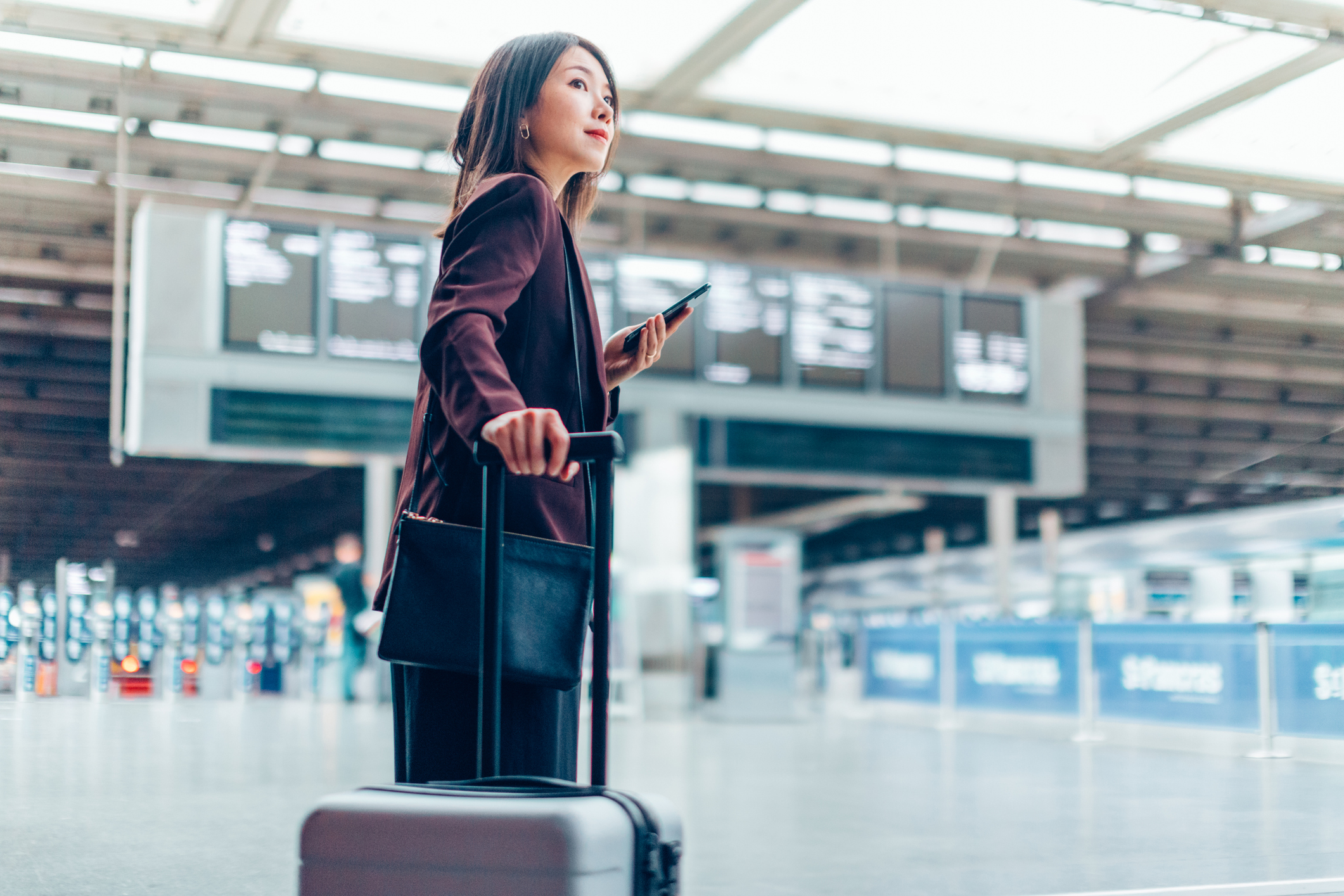

Airports are the gateways to the world. Whether you’re flying for business, leisure, education, or relocation, understanding how airports work can significantly improve your travel experience. Modern airports are complex environments that combine transportation, hospitality, security, retail, and logistics all under one roof. From check-in to immigration, lounges to duty-free shopping, airport experiences vary dramatically depending on location and infrastructure.
- Why Airport Knowledge Matters for International Travel
- Airport Layout and Terminal Structure Explained
- Types of Airports & Terminals
- Check-In and Boarding Process for International Flights
- Transit & Connecting Flight Guide
- Airport Services and Amenities Travelers Should Know
- Airport Lounges: Types and Access Rules
- Duty-Free Shopping Guide
- Ground Transportation at Airports
- Best International Airports in 2026
- Airport Tips for First-Time International Travelers
- Frequently Asked Questions
- Final Thoughts
This 2026 airport guide explains how airports are structured, how to navigate international terminals, how to transit smoothly, what services and amenities to expect, and which airports offer the best overall experience. Whether you’re a first-time flyer or a frequent traveler, these insights will help you travel confidently and efficiently.
Why Airport Knowledge Matters for International Travel
Many travelers underestimate the importance of understanding airport operations—until they get stuck at immigration, miss a connecting flight, or drown in confusing signage. Being familiar with airport layouts, procedures, and services helps you:
- Navigate faster and avoid long queues
- Find transit services and lounges
- Choose better airports for connecting flights
- Access duty-free shopping and dining
- Prepare documents for immigration and customs
- Handle delays and layovers without frustration
Airports today are megacenters that require good planning, especially for international travel involving customs, baggage re-check, and security.
Airport Layout and Terminal Structure Explained
Although airports vary in size and design, most major international airports follow similar structural patterns.


Typical airport areas include:
Entrance & Drop-Off Zones:
Where taxis, buses, and metro lines arrive.
Check-In Counters:
Airlines assign check-in counters by region, class, and destination. Travelers drop baggage and receive boarding passes here.
Security Screening:
All passengers pass through metal detectors, x-ray machines, and document checks before entering airside.
Immigration / Passport Control:
For international flights, passport verification happens before departure (outbound) and after landing (inbound).
Airside Shopping & Dining Zone:
Duty-free shops, restaurants, lounges, and waiting areas are located here.


Boarding Gates:
Passengers wait here before boarding aircraft via jet bridges or buses.
Baggage Claim:
Arrival passengers retrieve luggage from conveyor belts.
Customs & Exit:
Declarations for goods, currency, or restricted items occur here before exiting the airport.
Understanding this flow makes airports less intimidating—especially for beginners and foreign travelers.
Types of Airports & Terminals
Airports differ based on size, purpose, and management.
Common airport types include:
International Airports:
Handle global flights with customs and immigration services.
Domestic Airports:
Handle internal country flights with minimal border checks.
Hub Airports:
Serve as major connecting points for airline networks (e.g., Dubai, Singapore, Istanbul).
Regional Airports:
Smaller airports serving domestic and short-haul routes.
Some large airports have multiple terminals divided by:
- Alliances (OneWorld, Star Alliance, SkyTeam)
- Airline ownership (e.g., Emirates Terminal 3 in Dubai)
- Domestic vs international flights
Researching terminals in advance reduces transfer stress—especially in big airports like LHR, JFK, CDG, and PEK.
Check-In and Boarding Process for International Flights
Airports follow a systematic process from arrival to boarding:
Arrive at Airport
- International flights: 2.5 to 4 hours before departure
- Domestic flights: 1.5 to 2 hours early
Check-In & Baggage Drop
- Show passport
- Confirm visa requirements
- Check luggage weight limits
Self-check-in kiosks and mobile boarding passes save time in many modern airports.
Security Screening
- Remove laptops, liquids, belts, etc. as required by local rules
- Follow liquid restrictions (commonly 100ml rule in many countries)
Immigration Control
- Passport stamping
- Visa verification
- Travel purpose questions
Boarding Gates & Waiting Areas
- Boarding groups are announced by ticket class or section
Airports use different boarding methods:
- Jet bridges (direct boarding)
- Bus gates (shuttle to aircraft)
- Remote stands (common in budget airlines)
Understanding each step reduces anxiety and helps maintain timing.
Transit & Connecting Flight Guide
Many international travelers transit through hub airports on the way to final destinations.
Key transit considerations include:
Same-Terminal Transfers:
Easiest type of connection—walk between gates with boarding pass.
Inter-Terminal Transfers:
Requires airport shuttles, trains, or buses; takes more time.
Baggage Transfer:
If booked on a single ticket, bags are usually transferred automatically. Separate tickets require re-checking.
Transit Visas:
Some countries require transit visas depending on nationality and layover duration.
Notable airports allowing seamless transits:
- Singapore Changi
- Doha Hamad International
- Dubai DXB
- Istanbul IST
- Munich MUC
Choosing good hubs reduces stress during long-haul trips.
Airport Services and Amenities Travelers Should Know
Modern airports offer a range of facilities to improve passenger comfort.
Common services include:
- Wi-Fi access (sometimes free, sometimes time-limited)
- Currency exchange and ATMs
- Medical clinics & pharmacies
- Prayer rooms
- Showers
- Hotels (inside or attached to terminals)
- Sleeping pods or capsule beds
- Transport links (metro, buses, taxis)
- Business centers
- Information desks
Long layovers become manageable when travelers know where to find these services.
Airport Lounges: Types and Access Rules
Airport lounges provide quiet spaces, meals, drinks, Wi-Fi, and seating.
Lounges fall into three categories:
Airline Lounges
- Access with business/first-class tickets
- Frequent flyer elite membership
Alliance Lounges
- Operated by global alliances (e.g., Star Alliance Lounges)
Independent Lounges
- Pay-per-use via Priority Pass, DragonPass, LoungeKey, or day passes
Even economy travelers can enjoy lounges by:
- Buying a day pass
- Using credit card benefits (Visa/Mastercard/AmEx)
- Using lounge memberships
During long layovers, lounges can significantly improve comfort and productivity.
Duty-Free Shopping Guide
Duty-free shops sell products exempt from certain taxes, making them attractive for travelers.
Popular purchases include:
- Perfume & cosmetics
- Liquor & tobacco (age-restricted)
- Chocolates & snacks
- Electronics & gadgets
Duty-free savings vary by airport:
- Middle Eastern airports often offer better perfume deals
- Asian hubs offer electronics and cosmetics
- European hubs provide gourmet food and wines
Travelers should compare prices because not all duty-free items are genuinely cheaper.
Ground Transportation at Airports
Once you exit customs, transportation options vary.
Common airport transfer methods:
- Airport metro or trains
- Shuttle buses
- Taxis
- Rideshare (Uber, Grab, Bolt, Lyft)
- Rental cars
- Airport hotel shuttles
Choosing public transit saves money, especially in cities like:
- Hong Kong
- Singapore
- London
- Tokyo
- Paris
Some airports are directly connected to high-speed railway networks for intercity transfers—like Frankfurt, Zurich, and Tokyo.
Best International Airports in 2026
Certain airports stand out for design, comfort, cleanliness, and efficiency.
Highly rated airports include:
Singapore Changi Airport (SIN)
Frequently ranked #1 globally, famous for:
- Indoor waterfall
- Jewel shopping mall
- Butterfly garden
- Free cinema
- Swimming pool
Tokyo Haneda & Narita (HND / NRT)
Known for efficiency, cleanliness, and food options.
Doha Hamad International (DOH)
Luxury facilities, modern terminals, and excellent transit services.
Dubai International (DXB)
One of the busiest hubs connecting East & West.
Istanbul Airport (IST)
Huge modern hub, rapidly expanding global routes.
Seoul Incheon (ICN)
Clean, efficient, and culturally rich with transit tours.
Zurich Airport (ZRH)
Compact, organized, and excellent rail connections.
Other excellent airports include Amsterdam Schiphol, Munich, Vancouver, and Helsinki.
Airport Tips for First-Time International Travelers
International airports can be overwhelming, so here are practical tips:
Keep Documents Together
Passport, boarding pass, visas, hotel bookings, and insurance should be easily accessible.
Follow Liquid Restrictions
Most airports limit liquids in carry-on (100ml per item, 1L total bag).
Know Baggage Allowances
Budget airlines often have strict size/weight rules.
Avoid Last-Minute Check-In
Airlines close counters 45–60 minutes pre-departure for international flights.
Stay Updated on Gate Changes
Use airport screens or airline apps to avoid missed boarding.
Use Maps
Most large airports have indoor maps via Google Maps or airport apps.
These small steps reduce stress and prevent costly mistakes.
Frequently Asked Questions
Do all airports require immigration checks?
Only international airports require passport control. Domestic terminals do not.
How early should I arrive for an international flight?
2.5–4 hours depending on airport size and season.
Can I sleep at airports during layovers?
Yes, many airports have quiet zones, lounges, or capsule hotels.
Do all airports offer free Wi-Fi?
Most do, but duration and speed vary.
What happens if I miss my connection?
If tickets are booked under one reservation, airlines usually rebook at no additional cost.
Final Thoughts
Airports are much more than transportation buildings—they are global gateways where cultures meet, economies move, and journeys begin. With a strong understanding of airport layouts, transit procedures, lounge access, customs rules, and transportation options, international travelers can significantly enhance their travel experience.
As global connectivity grows in 2026 and aviation technology evolves, airports continue to innovate with better passenger services, eco-friendly infrastructure, and smart digital tools. Whether you’re departing for your first international flight or navigating complex multi-city itineraries, mastering airport basics makes travel smoother, smarter, and more enjoyable.
