















Traveling across multiple countries in a single trip is one of the most rewarding ways to experience cultural diversity, varied landscapes, different cuisines, and unique historical layers in a compressed amount of time. A multi-country itinerary allows you to maximize international travel by combining nations into a logical, efficient, geographically sensible route. These itineraries are popular among backpackers, digital nomads, study-abroad students, long-distance travelers, and anyone who wants to make the most out of a long-haul flight or a rare period of extended travel leave.
- Why Multi-Country Itineraries Are Becoming Popular
- Key Factors to Consider When Planning Multi-Country Trips
- Popular Regions for Multi-Country Itineraries
- How to Structure a Multi-Country Itinerary
- Transport Strategies for Multi-Country Travel
- Visa & Entry Management for Multi-Country Trips
- Budgeting for Multi-Country Trips
- Mistakes to Avoid in Multi-Country Planning
- Sample Multi-Country Itineraries
- Frequently Asked Questions
- Final Thoughts
Designing a multi-country itinerary, however, requires more planning than a single-country trip. You must consider border crossings, visa requirements, transportation connections, budget differences, languages, currencies, weather patterns, and flight networks. With proper planning, these factors become manageable and even exciting, allowing you to build seamless journeys across continents.
This guide explains how to create multi-country itineraries, which regions are ideal, how to manage visas and borders, how to select transport modes, and what mistakes to avoid. Whether you’re planning a Europe loop, Southeast Asia trip, East Africa safari combo, or South America backpacking route, this guide will help you structure your journey like a pro.
Why Multi-Country Itineraries Are Becoming Popular
Over the last decade, multi-country trips have surged for several reasons:
Global Flight Connectivity
International hubs like Dubai, Singapore, Istanbul, Doha, Frankfurt, and New York make it easier to plan long-distance combinations.

Flexible Visas & Regional Agreements
Regions like Europe’s Schengen Area allow border-free travel across dozens of nations.
Budget Airlines & Overland Networks
Low-cost airlines, buses, and trains make cross-border travel affordable.
Remote Work Culture
Digital nomads combine multiple countries while working online.
Efficiency & Value
Multi-country trips maximize PTO (paid time off) and make expensive long-haul flights more worthwhile.
These factors make 2026 an excellent year for ambitious multi-country travel.
Key Factors to Consider When Planning Multi-Country Trips
A multi-country itinerary should never be random. It should follow geography + connectivity + logistics.
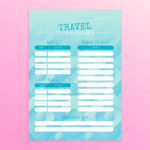

Major planning factors include:
1. Geography & Border Layout
Countries that share borders or exist in regional clusters are the easiest to combine.
2. Visas & Entry Requirements
Always check:
- Visa-free rules
- Visa-on-arrival options
- E-visa systems
- Passport expiry requirements
3. Flight & Transport Networks
Compare:
- Regional trains
- Buses
- Ferries
- Budget airlines
- Domestic flights
4. Climate & Seasons
Weather varies even within the same region. Example: Southeast Asia monsoon patterns differ from country to country.
5. Currencies & Budgets
Multi-country trips require knowledge of exchange rates and price differences.
6. Languages
Basic local phrases or translation apps help enormously.
7. Safety & Borders
Travel advisories, land border safety, and transportation reliability all matter.
With these factors in mind, travelers can avoid costly errors.
Popular Regions for Multi-Country Itineraries
Some regions are naturally suited to multi-country travel due to proximity, infrastructure, or political agreements.
Europe (Schengen + Non-Schengen Mix)
Europe is the world’s most popular multi-country destination thanks to:
- Border-free Schengen area
- High-speed trains
- Budget airlines (Ryanair, EasyJet, Wizz Air)
- Compact countries
- Efficient metros and buses
Common itineraries include:
Central Europe Loop
- Germany → Czech Republic → Austria → Hungary → Poland
Mediterranean Loop
- Italy → Slovenia → Croatia → Montenegro → Greece
Western Europe Classic
- France → Belgium → Netherlands → Germany → Switzerland
Scandinavia Circuit
- Denmark → Sweden → Norway → Finland
Transport options:
- High-speed rail (Eurail Pass, Interrail)
- FlixBus
- Budget airlines
- Ferries in Nordic countries
Southeast Asia (Backpacker & Nomad Friendly)
Southeast Asia is incredibly multi-country friendly due to:
- Low costs
- Frequent international buses
- Easy flights
- Visa flexibility
- Strong backpacker culture
Common itineraries include:
Mekong Route
- Thailand → Laos → Vietnam → Cambodia
Peninsula Route
- Malaysia → Singapore → Thailand
Island + Mainland Mix
- Philippines → Vietnam → Cambodia → Thailand
Transport options include:
- Overnight trains (Bangkok)
- Buses (cross-border)
- Ferries (Indonesia + Philippines)
- Low-cost airlines (AirAsia, VietJet, Scoot, Lion Air)
South America (Adventure + Culture + Mountains)
South America is ideal for long overland adventures.
Popular routes include:
Andes Loop
- Peru → Bolivia → Chile → Argentina
Brazil + Argentina Combo
- Rio → Iguazu → Buenos Aires
Northern Andes
- Colombia → Ecuador → Peru
Transport options:
- Long-distance buses
- Domestic flights (LATAM, Sky Airline, Avianca)
- Andean rail lines (Peru)
Middle East (Culture + Desert + Modern Cities)
Increasingly popular thanks to flight connectivity and visa reforms.
Example routes:
Gulf + Levant Mix
- UAE → Qatar → Jordan
Traditional + Modern
- Oman → UAE → Saudi Arabia
Transport notes:
- Bus connections limited between Gulf states
- Regional flights affordable due to carriers like FlyDubai, Air Arabia, and Qatar Airways
East Africa (Safari + Coast + Mountains)
Harder logistically but extremely rewarding.
Classic route:
- Kenya → Tanzania → Zanzibar
Extensions:
- Rwanda or Uganda for gorilla trekking
- Ethiopia for cultural heritage
Transport primarily via:
- Buses between capitals
- Safari jeeps
- Regional airlines
How to Structure a Multi-Country Itinerary
The most efficient formats follow circular or linear logic:
Linear Route (Point A → B → C → Flight Home)
Ideal for:
- Backpackers moving overland
- Flights that return cheaper from a different city
Circular Loop (Start & End Same City)
Common when:
- Round-trip flights are cheaper
- Car rentals need return to starting point
Hub-Spoke Model
Choose a hub city and take short trips to nearby countries.
Example: Use Bangkok as a hub for ASEAN countries.
Transport Strategies for Multi-Country Travel
Multi-country itineraries benefit from mixing transport modes:
Trains
- Best in Europe and Japan for time efficiency
- Scenic routes available in Switzerland, Austria, Norway
Buses
- Cheapest in Southeast Asia and South America
- Cross-border routes simplify planning
Budget Airlines
- Frequent in Europe + Southeast Asia
- Book early for best fares
Ferries
Useful in:
- Greek Islands
- Italy → Croatia
- Scandinavia
- Indonesia
- Philippines
Car Rentals
Great for road trips but avoid for major capitals due to traffic and parking stress.
Visa & Entry Management for Multi-Country Trips
Visas can shape your route order.
Checklist includes:
- Check passport validity (6 months rule common)
- Confirm visa-free durations (e.g., 90 days in Schengen)
- Identify e-visa or visa-on-arrival possibilities
- Review multi-entry rules (important for re-entry to Schengen or Thailand)
Travelers should avoid:
- Applying for visas too late
- Ignoring overstay penalties
- Border crossings during holidays (closures occur)
Apps and government embassy sites provide accurate rules in 2026.
Budgeting for Multi-Country Trips
Budget varies dramatically by region.
Daily Budget Estimates (Average for Backpackers):
- Western Europe: $70–$120/day
- Eastern Europe/Balkans: $40–$70/day
- Southeast Asia: $25–$50/day
- South America: $30–$70/day
- Middle East: $50–$100/day
- East Africa: $60–$150/day (due to safari costs)
Costs to remember:
- ATMs often charge foreign fees
- Currency conversion rates vary
- SIM card purchases per country
- Multi-country insurance is essential
Mistakes to Avoid in Multi-Country Planning
Common errors include:
- Packing too many countries into too few days
- Ignoring travel days between capitals
- Not checking bus or train frequency
- Booking non-refundable transit too early
- Overlooking cultural holidays
- Underestimating altitude (e.g., Cusco)
- Not aligning visas with entry order
- Ignoring time zone differences
Avoid “passport stamp collecting” style itineraries and aim for meaningful experiences.
Sample Multi-Country Itineraries
Here are three fully structured examples:
Example: Central Europe (10–14 Days)
- Day 1–3: Vienna
- Day 4–6: Budapest
- Day 7–9: Prague
- Day 10–12: Krakow (optional)
- Day 13–14: Return/Day Trips
Example: Southeast Asia (14–21 Days)
- Day 1–3: Bangkok
- Day 4–6: Chiang Mai
- Day 7–10: Luang Prabang
- Day 11–14: Hanoi + Halong Bay
- Day 15–18: Siem Reap
- Day 19–21: Phnom Penh
Example: South America (14–21 Days)
- Day 1–4: Lima → Cusco → Machu Picchu
- Day 5–8: La Paz → Uyuni Salt Flats
- Day 9–12: San Pedro de Atacama (Chile)
- Day 13–15: Santiago
- Day 16–21: Buenos Aires + Iguazu Falls
These templates maintain geographic and transport coherence.
Frequently Asked Questions
How many countries should I visit in one trip?
Depends on length. As a rule:
- 7 days = 1–2 countries
- 14 days = 2–3 countries
- 21 days = 3–5 countries
Is it cheaper to visit multiple countries?
Yes if countries are close (e.g., Schengen, Balkans, ASEAN). No if flights are required between every country.
Do I need travel insurance for multi-country trips?
Yes—medical + baggage + cancellation coverage is essential.
Can I cross borders by bus or train?
Absolutely. It’s common in Europe, Southeast Asia, Africa’s East Coast, and South America.
Final Thoughts
Multi-country itineraries provide one of the richest ways to explore the world, blending geography, culture, food, nature, and history across borders. With smart planning, logical routing, and awareness of visas, transportation, and seasons, cross-border travel becomes seamless and deeply fulfilling. Europe offers the easiest infrastructure, Southeast Asia offers the cheapest overland travel, South America offers rugged landscapes, and Africa offers unmatched wildlife and cultural diversity.
The key is not how many countries you visit, but how meaningfully you experience them. When done thoughtfully, a multi-country itinerary transforms travel into a continuous, cohesive journey—one that leaves you with layered perspectives and unforgettable adventures.