












Backpacking has evolved from a niche subculture into a mainstream style of travel embraced by students, digital nomads, long-term travelers, and adventure seekers from around the world. One of the biggest challenges for backpackers is balancing mobility, cost efficiency, and spontaneity—especially when traveling across multiple destinations on a budget. Backpacker bus passes emerged as a solution to this problem, providing flexible hop-on hop-off transportation across popular backpacking routes without the hassle of booking individual tickets for every leg of the journey.
- What Are Backpacker Bus Passes?
- Types of Backpacker Bus Passes
- Why Backpackers Use Bus Passes Instead of Trains or Flights
- Popular Backpacker Bus Pass Regions Around the World
- Cost Breakdown of Backpacker Bus Passes
- Who Should Use Backpacker Bus Passes?
- How to Choose the Right Backpacker Bus Pass
- Backpacker Bus Pass vs Independent Travel: Comparison
- Tips for Using Backpacker Bus Passes
- Frequently Asked Questions
- Final Thoughts
In 2026, backpacker bus passes are widely used across Southeast Asia, Australia, New Zealand, Europe, and South America, helping travelers cover hundreds or thousands of kilometers affordably and socially. This detailed guide explains how these passes work, what regions offer them, how much they cost, who they are best suited for, and how to plan trips for maximum value.
What Are Backpacker Bus Passes?
A backpacker bus pass is a pre-purchased travel pass that allows travelers to hop on and off designated bus routes across a network of destinations. The concept originated as a solution for backpackers who wanted flexible transportation without committing to rigid tour schedules or expensive private transfers.
Key features include:
- Hop-on hop-off travel flexibility
- Multiple destinations on a single pass
- Fixed or open validity periods
- Budget-friendly pricing
- Connections to hostels, airports, and tourist sites
- Social atmosphere for meeting fellow travelers
Bus passes cater to independent travelers who want freedom but still appreciate structured transportation.
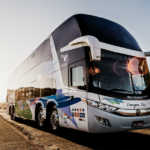
Types of Backpacker Bus Passes
Different companies offer different pass styles depending on region and traveler needs.
Point-to-Point Passes
Cover travel between two major destinations with stops along the route.
Example: Sydney → Cairns with optional hop-offs.
Network Passes
Offer unlimited travel across a network for a fixed timeframe.
Example: Unlimited travel across a country for 30 days.
Tour-Based Hop-On Hop-Off Passes
Include optional activities, guides, or hostel drop-offs.

Example: New Zealand guided bus loops.
City-Based Discount Passes
Similar concept but restricted to metropolitan areas, often including metro, tram, and bus.
Example: London Travelcard or Japan Rail Tokyo Metro passes.
Backpacker passes focus primarily on intercity travel in backpacking regions.
Why Backpackers Use Bus Passes Instead of Trains or Flights
Backpacker bus passes offer several advantages:
Cost Savings
Buying individual bus tickets or flights adds up quickly. Passes bundle costs and avoid dynamic fare spikes common with airlines.
Flexibility
Travelers can change plans, stay longer in places they like, and skip places they don’t.
Social Experience
Bus passes often attract young backpackers, making it easy to meet travel mates.
Direct Access to Hostels
Many backpacker bus networks provide hostel pick-up and drop-off services.
No Planning Stress
Reduces time spent comparing schedules, prices, and companies across regions.
These benefits appeal to budget travelers who value freedom and minimal logistics.
Popular Backpacker Bus Pass Regions Around the World
Certain regions are famous for having established backpacker bus networks and passes.
Southeast Asia
Southeast Asia is the most popular backpacking region in the world. Backpacker bus passes connect major travel routes across:
- Thailand
- Vietnam
- Laos
- Cambodia
- Malaysia
- Singapore
Popular networks include:
- Stray Asia (historical presence)
- Bookaway passes
- 12Go Asia bundles
- Hostel-arranged hop-on hop-off services
Common routes:
- Bangkok → Chiang Mai
- Hanoi → Da Nang → Ho Chi Minh City
- Bangkok → Siem Reap → Phnom Penh
- Kuala Lumpur → Penang → Langkawi → Singapore
These routes intersect major cultural, historical, and beach destinations.
Australia
Australia has long been a major market for backpacker bus passes due to its vast geography and coastal backpacker corridors.
Famous passes include:
- Greyhound Australia Whimit Pass
- Premier Motor Service passes
- Backpacker Oz tours (legacy presence)
Major backpacker trail:
- Sydney → Byron Bay → Gold Coast → Brisbane → Sunshine Coast → Airlie Beach → Cairns
The Whimit Pass is known for unlimited travel along the East Coast for a number of days.
New Zealand
New Zealand pioneered social backpacker bus programs.
Major companies historically included:
- Kiwi Experience
- Stray Travel
These networks connected:
- Auckland
- Rotorua
- Taupo
- Wellington
- Nelson
- Queenstown
- Christchurch
New Zealand’s passes often included guided commentary and optional adventure activities.
Europe
Europe’s intercity buses are well-integrated, and backpacker passes simplify multi-country travel.
Options include:
- FlixBus InterFlix Pass
- Eurolines historical passes (legacy)
- Rail + bus pass combinations
Common backpacker loops include:
- Berlin → Prague → Vienna → Budapest → Krakow
- Paris → Brussels → Amsterdam → Cologne
Passes allow budget access to Schengen countries without high train costs.
South America
South America’s Andes-to-coast travel makes bus passes extremely useful for budget adventurers.
Popular backpacker routes include:
- Lima → Huacachina → Arequipa → Cusco
- Buenos Aires → Mendoza → Santiago
- Rio → Sao Paulo → Curitiba → Florianopolis
Companies offering structured passes vary by country but aggregators help combine legs efficiently.
Cost Breakdown of Backpacker Bus Passes
Pricing depends on:
- Distance covered
- Time validity
- Peak vs off-peak travel season
- Included services (hostels, activities, guides)
Typical pricing examples:
- Australia (Whimit Pass): $300–$600 for 15–60 days unlimited travel
- Southeast Asia Passes: $150–$400 for major routes
- Europe InterFlix Pass: ~€99–€199 for multi-city loops
- New Zealand Passes: $300–$800 depending on loop complexity
Compared to buying flights or trains individually, passes can save 20–60% depending on usage.
Who Should Use Backpacker Bus Passes?
Bus passes are ideal for:
- Solo backpackers
- Students on gap years
- Digital nomads
- Slow travelers
- Travelers staying 4+ weeks in a region
- Outdoor adventure travelers
They are less ideal for:
- Ultra-fast travelers
- Luxury tourists
- Business travelers
- Travelers with rigid itineraries
Passes reward flexibility and time, not speed or comfort.
How to Choose the Right Backpacker Bus Pass
Before buying a pass, consider:
Duration of Travel
Longer passes yield more value.
Destinations Covered
Does the pass cover the cities you actually want to visit?
Hop-On Hop-Off Frequencies
Some routes may have only 3–4 departures a week.
Accommodation Inclusion
Some include hostel partnerships or discounts.
Seasonality
Peak seasons may require advance seat reservations.
Added Experiences
Some passes include tours, entry tickets, or ferry crossings.
Choosing the wrong pass can lead to wasted money or skipped destinations.
Backpacker Bus Pass vs Independent Travel: Comparison
| Category | Bus Pass | Independent Travel |
|---|---|---|
| Cost | Lower overall | Higher if many legs |
| Flexibility | High (hop-on hop-off) | High but requires planning |
| Social Experience | Very high | Variable |
| Planning Time | Very low | High |
| Comfort | Moderate | Variable |
| Speed | Moderate | Faster with flights/trains |
| Risk of Stranding | Low (pre-coordinated routes) | Medium in remote areas |
For most young backpackers, social and logistical benefits outweigh drawbacks.
Tips for Using Backpacker Bus Passes
To maximize value and experience:
- Travel during weekdays to avoid crowds
- Reserve seats early during holidays
- Carry hostel information for drop-offs
- Ask drivers about hidden local spots
- Combine bus passes with budget flights (e.g., AirAsia)
- Download offline maps before transit
- Keep snacks and hydration packs for long rides
Combining a pass with planning enhances freedom while keeping budgets low.
Frequently Asked Questions
Are backpacker bus passes refundable?
Refund policies vary. Some offer partial refunds, others provide travel credits.
Do bus passes include accommodation?
Some New Zealand and Australia passes offer optional hostel packages, but most passes focus on transportation only.
Is it safe to travel using bus passes?
Yes, major operators prioritize safety and often provide hotel/hostel drop-offs for added security.
Are bus passes cheaper than trains?
Often yes, especially in Australia, Southeast Asia, and Eastern Europe.
Are backpacker bus passes only for young travelers?
No. While youth dominate usage, anyone who enjoys flexible travel can use them.
Final Thoughts
Backpacker bus passes democratize long-distance travel by making it affordable, sociable, and flexible. For travelers who value experience over luxury and spontaneity over rigid planning, these passes unlock entire coastlines, mountain ranges, cultural circuits, and backpacker trails across multiple continents. In 2026, with rising flight prices and renewed interest in overland travel, backpacker bus passes remain one of the smartest ways to see the world without breaking the bank.
Whether you’re meandering up the East Coast of Australia, exploring ancient capitals in Southeast Asia, hopping across European borders, or weaving through Andean landscapes in South America, a backpacker bus pass helps you travel slower, deeper, and more meaningfully. For many, the friendships made on the bus become as memorable as the destinations themselves.
