











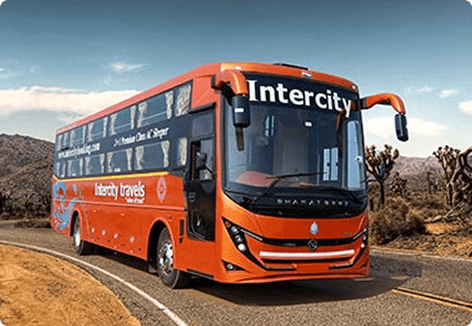

Intercity buses form one of the most important ground transportation networks in the world. While flights and trains connect major cities, it is intercity buses that fill the gaps—linking small towns with metropolitan hubs, supporting commuter flows, tourism, student mobility, and regional trade. In 2026, intercity bus systems have evolved from traditional basic services into modern networks equipped with digital booking platforms, air-conditioned coaches, sleeper seats, Wi-Fi, real-time tracking, and improved safety standards.
- What Defines an Intercity Bus Route?
- Why Intercity Buses Remain Important in 2026
- Types of Intercity Bus Services
- Booking Intercity Bus Tickets in 2026
- What to Expect During an Intercity Bus Journey
- Safety Standards and Precautions for Intercity Bus Travel
- Major Intercity Bus Routes by Region
- Most Scenic Intercity Bus Routes Around the World
- Baggage Rules for Intercity Buses
- Cost Structure and Ticketing Classes
- Frequently Asked Questions
- Final Thoughts
This 2026 guide explores how intercity bus routes operate, what travelers can expect in different regions, how to book seats, which companies are reliable, comfort upgrades, cross-border variations, and the most scenic or popular intercity routes around the world. If you’re planning a regional trip, domestic tour, or cross-border journey by land, understanding intercity buses will help you travel cheaper, safer, and more efficiently.
What Defines an Intercity Bus Route?
An intercity bus route simply means a scheduled bus service connecting two or more cities within the same country. These routes use highways or regional roads to transport passengers between urban centers, airports, university towns, tourist hubs, and business districts.
Intercity buses typically feature:
- Fixed timetables
- Designated pickup & drop-off points
- Ticketing systems (online or offline)
- Baggage allowance
- Varying comfort levels (standard to premium)
Unlike city buses, intercity buses focus on longer distances, fewer stops, and more comfortable seating.
Why Intercity Buses Remain Important in 2026
Despite fast trains and cheap airlines, intercity bus routes remain essential due to:
Regional Accessibility
Many countries lack extensive rail networks, especially in Southeast Asia, Africa, the Middle East, South America, and parts of North America. Buses bridge that gap.
Cost Efficiency
Intercity bus fares are cheaper than flights and often cheaper than fuel and tolls for private cars.
High Frequency
Multiple daily departures make buses more flexible than trains in many regions.
Tourism Support
Buses allow travelers to reach national parks, historical towns, beaches, and mountain regions not served by airports.
Lower Emissions than Cars
Group travel reduces environmental impact compared to driving individual private vehicles.
Intercity buses are not a relic of the past—they’re an evolving transport backbone for millions.
Types of Intercity Bus Services
Intercity bus experiences vary depending on route length, region, and operator. Common classifications include:
Standard Intercity Buses
Basic seating, limited recline, cost-effective option for popular medium-distance routes.
Express Buses
Skip intermediate towns to shorten travel time. These routes connect major cities directly.
Semi-Sleeper Coaches
Comfortable recline seats with footrests, often air-conditioned with USB charging points.
Sleeper Coaches
Offer bunk-style lying berths for overnight travel (common in India, Turkey, Vietnam, Argentina).
Luxury Coaches
Enhanced comfort including:
- Wider seats
- Onboard Wi-Fi
- Toilets
- Snacks/beverages
- Entertainment screens
- USB charging ports
Airport Express Buses
Dedicated routes between city centers and airports, reducing taxi dependency.
The presence of sleeper buses and luxury coaches is a major reason intercity travel has become popular among backpackers and domestic tourists.
Booking Intercity Bus Tickets in 2026
Digitalization has transformed the intercity bus booking experience worldwide.
Online Booking Advantages:
- Seat selection
- Price comparison
- Digital tickets (no printouts needed)
- Passenger reviews
- Live tracking and updates
Popular booking platforms by region include:
United States & Canada
- Greyhound
- Megabus
- FlixBus USA
- Red Arrow (Canada)
- Coach Canada
Europe
- FlixBus
- BlaBlaCar Bus
- RegioJet
- Omio (aggregator)
India & Southeast Asia
- RedBus
- Bookaway
- 12Go Asia
- AbhiBus (India)
- Traveloka (Indonesia/Malaysia)
- Baolau (Vietnam)
South America
- Plataforma10 (Argentina)
- Brasil by Bus (Brazil)
- Andesmar (regional)
Middle East
- Mwasalat (Oman)
- Saudi Public Transport (SAPTCO)
- Kamil Koç (Turkey)
For rural or less digitized areas, counters and kiosks at bus stands remain common.
What to Expect During an Intercity Bus Journey
Intercity travel is not universal; it differs widely based on the country. However, most modern intercity buses provide:
- Reserved seating
- Air-conditioning (or heating depending on climate)
- Luggage compartments under the coach
- Rest stops during long trips
- Basic onboard announcements
Premium routes may offer:
- USB charging ports
- Wi-Fi access
- Toilets
- Entertainment screens
- Complimentary snacks
Overnight sleeper routes usually provide:
- Blankets
- Pillows
- Privacy curtains
- Individual reading lights
These improvements have allowed buses to rival trains on many domestic routes.
Safety Standards and Precautions for Intercity Bus Travel
Bus safety depends on operator quality, driver training, road infrastructure, and weather.
To travel safely:
- Choose reputable companies with positive reviews
- Avoid unlicensed roadside operators
- Fasten seatbelts where available
- Keep valuables in your daypack, not under the bus
- Use official bus terminals for boarding and exit
Night driving may be riskier in regions with poor road lighting or wildlife crossings. Many premium companies rotate drivers for long-distance routes to reduce fatigue.
Major Intercity Bus Routes by Region
Below are some of the most used and most interesting intercity routes globally.
United States & Canada
Bus travel supports student mobility, tourism, and interstate travel.
Popular routes include:
- New York → Washington D.C.
- Toronto → Montreal
- Los Angeles → San Diego
- Boston → New York
- Vancouver → Seattle
These routes are reliable alternatives to trains and short flights.
Europe
Europe’s intercity bus network complements rail networks and serves international tourists.
Popular routes:
- Berlin → Prague
- Paris → Brussels
- Vienna → Budapest
- Rome → Florence
- Amsterdam → Cologne
FlixBus dominates affordable intercity travel across the continent.
India & South Asia
India has one of the world’s largest intercity bus networks due to limited high-speed rail and dense urbanization.
Major routes include:
- Mumbai → Pune
- Delhi → Jaipur
- Bangalore → Chennai
- Ahmedabad → Surat
- Kolkata → Siliguri
Sleeper coaches in South India and Western India are especially appreciated by night travelers.
Southeast Asia
Buses connect capital cities with UNESCO sites, beaches, and rural attractions.
Popular routes:
- Bangkok → Chiang Mai
- Ho Chi Minh City → Da Nang
- Singapore → Kuala Lumpur
- Hanoi → Sapa
- Phnom Penh → Siem Reap
These routes are used heavily by backpackers.
South America
Intercity buses in South America cover vast mountains and long coastal corridors.
Iconic routes:
- Buenos Aires → Mendoza
- Santiago → Valparaíso
- Rio de Janeiro → São Paulo
- Lima → Cusco
- Bogotá → Medellín
Luxury double-decker buses are common in Argentina, Brazil, and Chile.
Middle East & North Africa
Buses are the dominant intercity mode due to limited passenger rail networks.
Common routes:
- Dubai → Abu Dhabi
- Dubai → Muscat
- Riyadh → Jeddah
- Amman → Aqaba
- Cairo → Alexandria
Climate-controlled coaches make travel comfortable even in desert regions.
East Africa
Intercity buses connect capitals, ports, and wildlife safari gateways.
Key routes:
- Nairobi → Mombasa
- Kampala → Kigali
- Dar es Salaam → Moshi (near Kilimanjaro)
- Arusha → Nairobi
Tourist shuttles often operate alongside local bus services.
Most Scenic Intercity Bus Routes Around the World
For travelers seeking memorable views:
- Queenstown → Milford Sound (New Zealand)
Mountain passes and fjords. - Salta → Cafayate (Argentina)
Multi-colored canyons and vineyards. - Cape Town → Garden Route Towns (South Africa)
Coastal cliffs and wildlife. - Vancouver → Whistler (Canada)
Mountain and lake scenery. - Bangalore → Kumily (India)
Forest roads and hill stations.
These routes offer a level of scenery not always accessible via trains or flights.
Baggage Rules for Intercity Buses
Intercity buses usually have flexible baggage rules compared to airlines. Most allow:
- 1–2 checked items in the luggage compartment
- 1 carry-on backpack inside the cabin
Restrictions apply to:
- Hazardous materials
- Perishables (depends on country)
- Pets (varies by company)
Airport express buses often enforce stricter rules.
Cost Structure and Ticketing Classes
Intercity bus pricing varies based on:
- Distance
- Seat class
- Operator reputation
- Time of day
- Booking window
- Weekend vs weekday
Premium services charge more but offer:
- Better seats
- Faster routes
- Onboard amenities
- Priority boarding
- Fewer stops
For budget-conscious travelers, early morning and midday routes often cost less than evenings or holidays.
Frequently Asked Questions
Are intercity buses cheaper than trains?
Yes, buses are usually cheaper, especially in countries with expensive rail tickets.
Can I bring luggage?
Most intercity buses allow checked luggage under the coach plus a carry-on bag.
Do intercity buses have toilets?
Many long-distance buses do, but not all. Check operator details before booking.
Are intercity buses safe for solo travelers?
Yes, when using reputable companies and standard safety precautions.
How early should I arrive?
Arriving 20–40 minutes early is recommended, depending on city and terminal congestion.
Final Thoughts
Intercity bus routes remain an essential part of modern travel infrastructure, especially in regions where trains are limited or flights are costly. With the rise of digital booking platforms, sleeper coaches, and luxury buses, intercity travel in 2026 is far more comfortable and convenient than it was a decade ago. From student commuters to backpackers and families, millions rely on intercity buses to connect cities affordably and efficiently.
For travelers exploring new countries, intercity buses provide flexibility, local culture exposure, and access to lesser-known destinations. By choosing reliable operators, understanding route patterns, and planning wisely, you can enjoy safe, scenic, and affordable journeys across regions and around the world.